
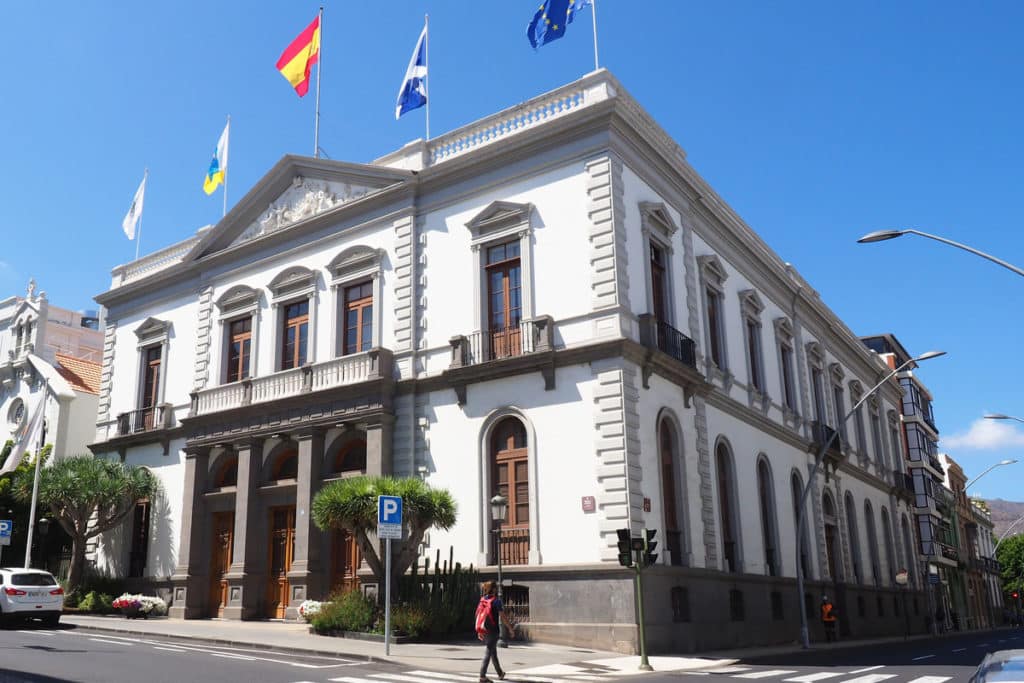
Santa Cruz Approves Record €381.2 Million Budget for 2026, Prioritizing Infrastructure and Social Services
Santa Cruz City Council has approved a record €381.2 million budget for 2026, prioritizing infrastructure, social services, quality of life, and economic growth with significant investments in housing, sustainable transport, and public safety.
Santa Cruz City Council's budget for 2026, the largest in the city's history at 381.2 million euros, will focus on infrastructure projects, social services, improving quality of life, and boosting the economy to create jobs.
Mayor José Manuel Bermúdez presented the budget yesterday, aiming for approval next month. He noted a 4.6% increase from last year, emphasizing a commitment to vulnerable residents, public investment, housing, sustainable transport, neighborhood improvements, and security.
Bermúdez stated that 2026 will be crucial for completing major projects, with 81 million euros set aside for ongoing initiatives from the 2024 multi-year plan. Key projects include finishing the renovation of La Rosa street, opening a new social housing building in Valleseco, and a 41.7 million euro agreement with regional bodies to expand public housing, plus an additional 3.5 million for new acquisitions. Infrastructure improvements will also see progress on the Guimerá Theater, the reopening of La Recova market, and the demolition and rebuilding of the Pérez Minik auditorium.
However, social policies are a top priority, with 80% of the budget, or 32.7 million euros, dedicated to people and essential public services. This makes Santa Cruz the island's top spender on social services per inhabitant. The Municipal Social Care Institute (IMAS) will also be integrated into the city council.
Specific departmental allocations include 47.5 million for Mobility, with 20 million for renewing the bus fleet with greener vehicles and 5 million for electric charging points. Citizen Security receives 10.6 million for more police vehicles, surveillance, and rescue services. The Fiestas department gets 11.3 million, including increased prizes for Carnival. Personnel costs for the Presidency will be 91.5 million, with thirty new contracts.
Additionally, the city will introduce brown bins for organic waste, create more parking, build a new cycle lane, and install shade at football fields.
First Deputy Mayor Carlos Tarife highlighted the budget's focus on social investment, job creation, and major projects, especially given economic uncertainty and the delay in national budget approval. He praised the city's success in securing nearly 70 million euros in European funds over the past four years, which helps address city needs despite a lack of state support for rising waste disposal costs. Despite this, Santa Cruz will maintain low taxes.
Public Services will receive 74 million euros for parks, gardens, cleaning, and street improvements. Strategic Planning gets 14 million, Culture 7 million, the Development Society 6.4 million for employment and tourism, Urban Planning 9.7 million for the General Urban Planning Plan, and Sports will fund individual athletes and local clubs.
Finance Councilor José Alberto Díaz-Estébanez emphasized that the budget reflects neighborhood priorities and has been prepared efficiently. He noted a 35 million euro loan to fund the multi-year investment plan without increasing taxpayer burden, alongside strengthened contracting, improved social services, and modernized public services. While the formal budget for housing may appear lower, funds for acquiring land for new housing have increased.