
Rural Gentrification Strains Traditional Identity in Tenerife Village
The small Tenerife village of La Medida is grappling with rural gentrification as an influx of new residents and vacation rentals threatens to erode its traditional community bonds and agricultural identity.
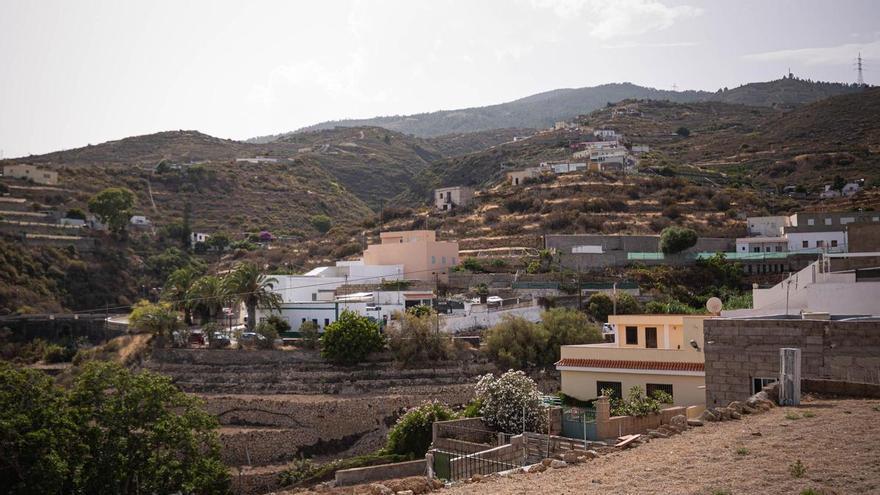
La Medida, a small village in the hills of Güímar, Tenerife, serves as a perfect example of how rural life is changing across the island. With only about 300 permanent residents, this community is struggling to balance its traditional identity with the arrival of new residents, a shift that is reshaping neighborhoods throughout Tenerife.
Daily life in this area shows a growing divide. The long-term residents still rely on a strong support network, organized through the Guayota association and local activities like crafts and dance. However, many of the newer arrivals—often foreigners or owners of vacation homes—remain largely disconnected from this community. As a result, the deep bonds of mutual trust that once defined this agricultural village are fading, replaced by the polite but distant interactions of a changing population.
Economically, La Medida has moved away from its roots in farming and livestock, becoming more dependent on the outside world. While the village has basic services and access to transport, residents are almost entirely reliant on private cars to navigate the steep, winding TF-28 road that connects them to schools and healthcare in Güímar.
Long-time residents, such as Cira Torres, remember a time of post-war hardship and a very different way of life. While today’s residents enjoy more stability, many worry that the rise of vacation rentals and the influx of people with no local ties are damaging the village’s character. This "rural gentrification" is not just changing how people interact; it is raising concerns about the future of the community’s cultural identity, which has long been held together by shared history and local traditions, such as the annual festivities of Saint Anthony of Padua.