
Rural Depopulation Threatens Cultural Heritage in Tenerife’s La Florida Hamlet
Historian José Gregorio Hernández González warns that rural depopulation in Tenerife’s La Florida hamlet is erasing unique cultural heritage, traditional livelihoods, and centuries-old local place names.
Rural depopulation in the Canary Islands is more than just a numbers game; it is a loss of culture that threatens to wipe out the shared history of unique communities. Recent research by historian José Gregorio Hernández González highlights the hamlet of La Florida, in Los Realejos, Tenerife, as a prime example of how these areas are changing and struggling to survive.
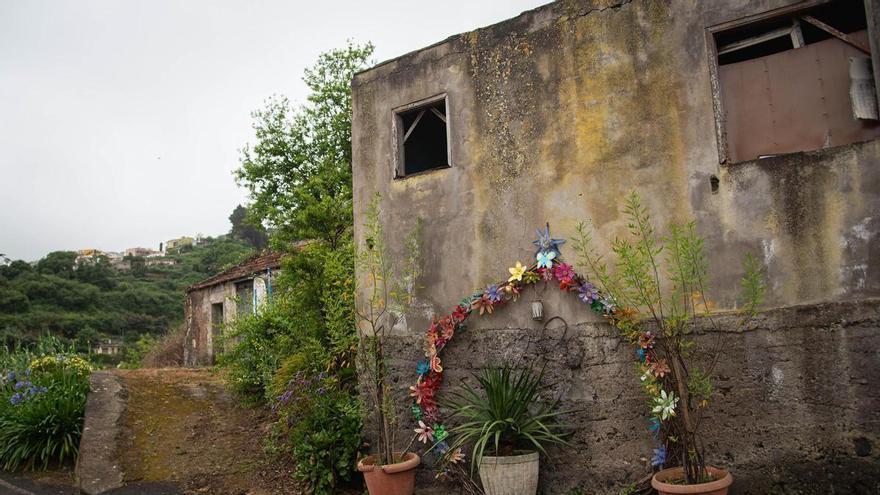
Nestled below the Tigaiga massif, La Florida has shifted from a farming community to a quiet area of scattered homes. Records from 1862 show that the first permanent residents—families named Mosegue, Linares, and Febles—lived in traditional caves and haylofts. Today, only about a dozen people live there, in houses built by emigrants returning from Cuba in the early 20th century.
La Florida’s significance goes beyond its current use as a weekend getaway. It was once a vital hub for the Taoro region, thanks to its abundant water. The local economy relied on forestry and gathering, with basket-making—using local chestnut branches—playing a key role. This work was often divided by gender, with baskets serving as essential tools for farming and transport.
The hamlet also acted as a key supplier for Puerto de la Cruz. Local women gathered wildflowers like lilies and violets, along with forest fruits, to sell in town. As tourism grew in the 1960s and 70s, this trade became more professional, eventually leading to the region’s first flower shops.
Hernández González’s research warns of a major problem: the loss of local place names. Names like the Garabato ravine, the La Tarasca cliff, and the Toscas de Romero are fading away because they are no longer being passed down through conversation. Preserving these names isn't just about nostalgia; it is about protecting the history of a place that, despite being near modern cities, still holds a distinct identity tied to its landscape and the few residents who remain.