
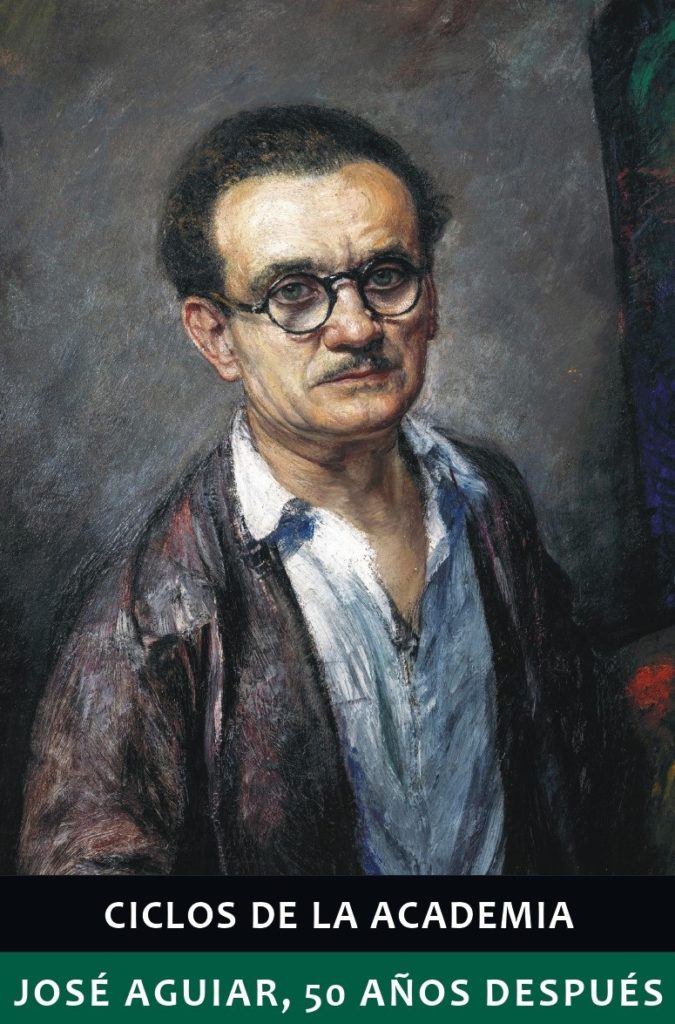
Royal Canarian Academy Hosts Lecture Series on Painter José Aguiar
The Royal Canarian Academy of Fine Arts is hosting a three-day lecture series in Santa Cruz de Tenerife to examine the historical and technical legacy of influential 20th-century muralist José Aguiar García.
The work of painter José Aguiar García (1895–1976) is once again the focus of academic discussion. The Royal Canarian Academy of Fine Arts of San Miguel Arcángel (Racba) is hosting a series of lectures at its headquarters in Santa Cruz de Tenerife (Plaza Ireneo González, 1) to explore the artist’s historical and technical impact. Organized in partnership with the Government of the Canary Islands and the University of La Laguna’s José Aguiar Cultural Chair, the sessions run from Monday through Wednesday, starting at 7:00 p.m. each evening.
Aguiar’s influence remains significant. As a key figure in 20th-century Spanish muralism and a member of the Royal Academy of Fine Arts of San Fernando, his work is central to Canarian visual identity. His ability to transform the everyday lives of farmers and fishermen—inspired by his time in Agulo, La Gomera—into epic art secured his place in national art history.
The lecture series examines his legacy from several perspectives. On Monday, the opening session features personal reflections from his grandson, Waldo Saúl Pérez Aguiar, followed by a technical analysis from photographer Fernando Cova del Pino. Tuesday focuses on heritage conservation, with restorer Carmen Suárez Benítez discussing the Friso Isleño (Island Frieze) and Racba vice president Gerardo Fuentes Pérez exploring the artist's work for the Basilica of Our Lady of Candelaria.
On Wednesday, June 10, the focus shifts to portraiture. Jonás Armas Núñez, deputy director of the José Aguiar Cultural Chair, will discuss the artist’s evolution in the genre, while art historian Conrado Álvarez Fariña will conclude the series with an in-depth look at the portrait of Antonio Lecuona Hardisson. These sessions not only highlight essential works, such as the murals in the Tenerife Island Council’s Main Hall, but also offer a fresh perspective on an artist whose work remains vital to understanding the aesthetics of the last century in the Canary Islands.