
Roma Activists Drive Social Change and Visibility in the Canary Islands
Activists in the Canary Islands are working to combat systemic discrimination and increase the social visibility of the Roma community through institutional advocacy, education, and cultural preservation.
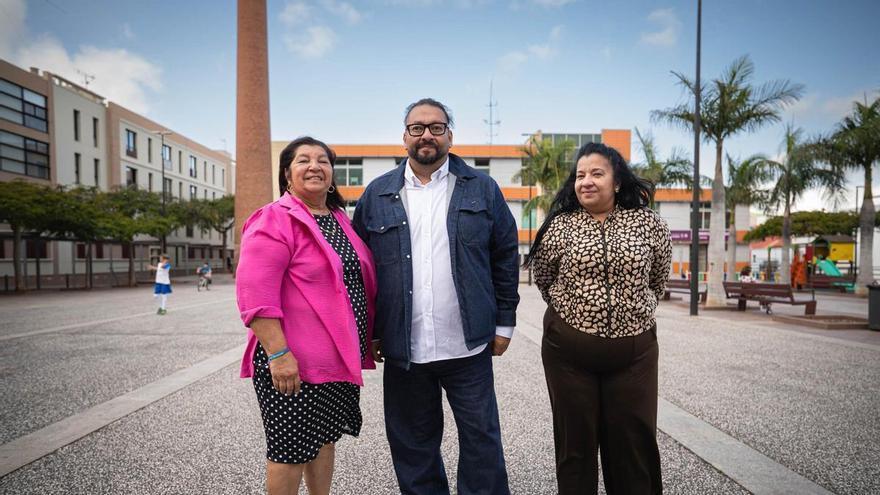
The visibility of the Roma community in the Canary Islands has reached a new milestone, thanks to the work of activists like Josefa Fernández. A recent chronicle of her life highlights the ongoing struggle against deep-seated prejudice in the archipelago, using her family’s story in Tenerife to examine the challenges faced by a community that has been established there for decades but still struggles with integration.
There are more than 450 Roma families—nearly 3,000 people—living in the islands, primarily in Tenerife. They are largely concentrated in the La Cuesta neighborhood of San Cristóbal de La Laguna, as well as in Añaza, Arona, and Granadilla de Abona. This population grew significantly during the 20th century as families fled political persecution on the Spanish mainland. Recently, the community has achieved major institutional breakthroughs, including the opening of Spain’s first comprehensive support office for Roma women and families in La Laguna, and the naming of a public square after Fernández—a rare honor for a Roma woman outside of the arts.
The evolution of this activism has shifted from breaking traditional barriers—such as gaining the right to drive or pursuing higher education—to professional social advocacy. Pilar Heredia, a social mediator and daughter of Josefa, notes that the biggest hurdles today are not internal community norms, but external discrimination that limits access to housing, jobs, and education. To combat this, the association Romí Camela Nakerar works to foster academic and professional success for younger generations, filling the gap left by a lack of Roma representation in public institutions.
Culture also serves as a vital tool for unity and resistance. The Roma flamenco festival in Tenerife, directed by José Heredia, is more than just a national artistic event; it is a way to reclaim the community’s history. Through music, the family connects their oral traditions to historical records of persecution, dating back to the 17th-century Inquisition in the Canary Islands. By linking this history of itinerant trade to modern artistic expression, the family demonstrates that Roma identity is complex and constantly evolving. Their work over the last two generations exemplifies the ongoing effort to change public perception and ensure the community’s right to full participation in society.