
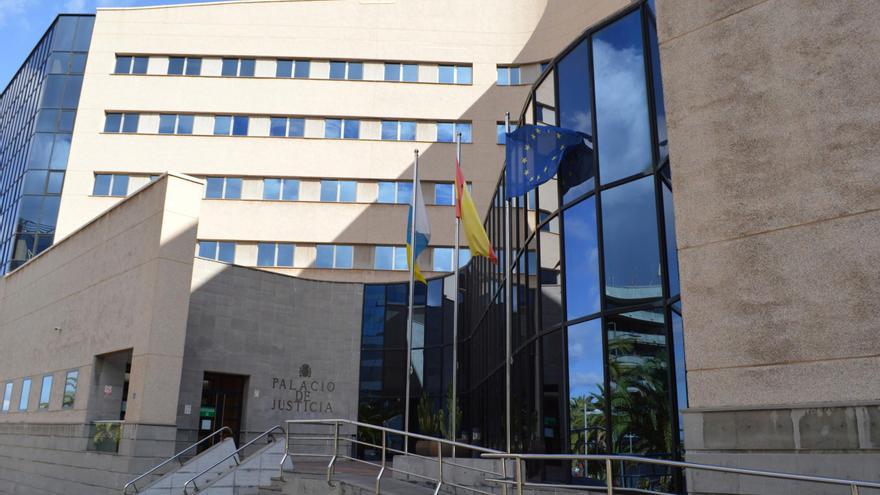
Retrial Begins in Tenerife Sexual Assault Case Following Higher Court Overturn
The Provincial Court of Santa Cruz de Tenerife has begun a retrial for a 2020 sexual assault case in Adeje after higher courts overturned an initial acquittal due to errors in the assessment of consent and evidence.
A new trial is underway at the Provincial Court of Santa Cruz de Tenerife, highlighting the legal complexities that arise when higher courts challenge how evidence is handled in sexual assault cases. Both the Supreme Court and the High Court of Justice of the Canary Islands (TSJC) ordered this retrial after finding flaws in the original analysis, specifically regarding how consent was determined and how expert testimony was interpreted.
The case stems from an incident in Adeje in April 2020. The defendant, who is currently serving time for other crimes, claims the encounter was consensual and involved a financial transaction. Conversely, the prosecution argues the event was a forced assault following a period of unwanted stalking. They are seeking a six-year prison sentence and 15,000 euros in compensation for the victim’s heirs, as the victim has since passed away from unrelated causes.
The original acquittal was overturned because higher courts found that key evidence—such as the victim’s state of shock when police arrived and the link between her injuries and the alleged violence—was not properly weighed. The TSJC noted that the lower court failed to consider that even if the initial interaction was voluntary, it could have escalated into an assault. Furthermore, the court highlighted inconsistencies in the defendant’s own testimony regarding his finances, alcohol consumption, and the use of contraception.
The case also hinges on conflicting accounts of the relationship between the two parties. While some evidence suggests they had interacted previously at a supermarket and on public transport, the nature of that relationship remains a central point of contention. As the trial resumes with a new jury, the court is now moving toward closing arguments. The jury must decide if the evidence is strong enough to overcome the presumption of innocence, following clear instructions to correct the errors that invalidated the first verdict.