
Renovation Work Begins at Luciana Díaz Residential Area in El Rosario After Eight-Year Delay
Renovation work has officially begun on the Luciana Díaz residential area in El Rosario, marking the start of a 2.5 million euro project to upgrade infrastructure and improve living conditions for 220 residents.
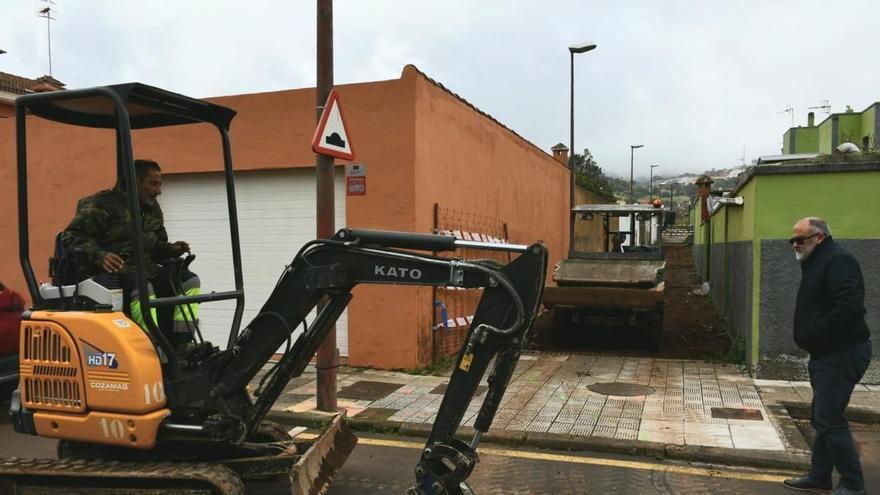
Work has finally begun on the major renovation of the Luciana Díaz residential area in La Esperanza, El Rosario, following eight years of administrative delays. The local council has announced that the first phase of the project is now underway, with an initial investment of 750,000 euros dedicated to upgrading essential infrastructure.
This project will benefit 66 homes and around 220 residents. It is part of the 2022-2025 State Housing Access Plan, a collaborative effort designed to restore aging residential areas. The total budget for the project is 2.5 million euros, reflecting a focus on long-term sustainability and living standards rather than just cosmetic improvements. Funding is being shared between the Ministry of Housing (1,036,042 euros), the El Rosario City Council (971,186 euros), and the Canary Islands Housing Institute and the Cabildo of Tenerife, which are contributing 250,903 euros each.
The renovation is divided into two main areas. First, the surrounding infrastructure will be overhauled, including new sewage, water, and drainage systems, updated street lighting, and new paving. Second, the homes themselves will be upgraded. The first phase focuses on improving energy efficiency for 30 properties. A second phase, with a budget of over one million euros, will cover roof waterproofing, facade repairs, and the replacement of exterior windows and doors for the remaining 36 homes.
The project also addresses long-standing issues with accessibility and public space, including improvements to landscaping and the installation of new street furniture. El Rosario Mayor Escolástico Gil described the start of the work as the culmination of a funding search that began in 2018, noting that the upgrades are vital for improving the quality of life in an area that had become significantly run-down. The first stage of construction is expected to take eight months, marking the start of a transformation that will bring the neighborhood up to modern standards.