
Remembering the 1992 Santa Cruz Refinery Explosion: A Turning Point for Industrial Safety
The 1992 explosion at the Santa Cruz de Tenerife refinery, which claimed five lives, remains a pivotal moment that transformed industrial safety and risk prevention protocols in Spain’s energy sector.
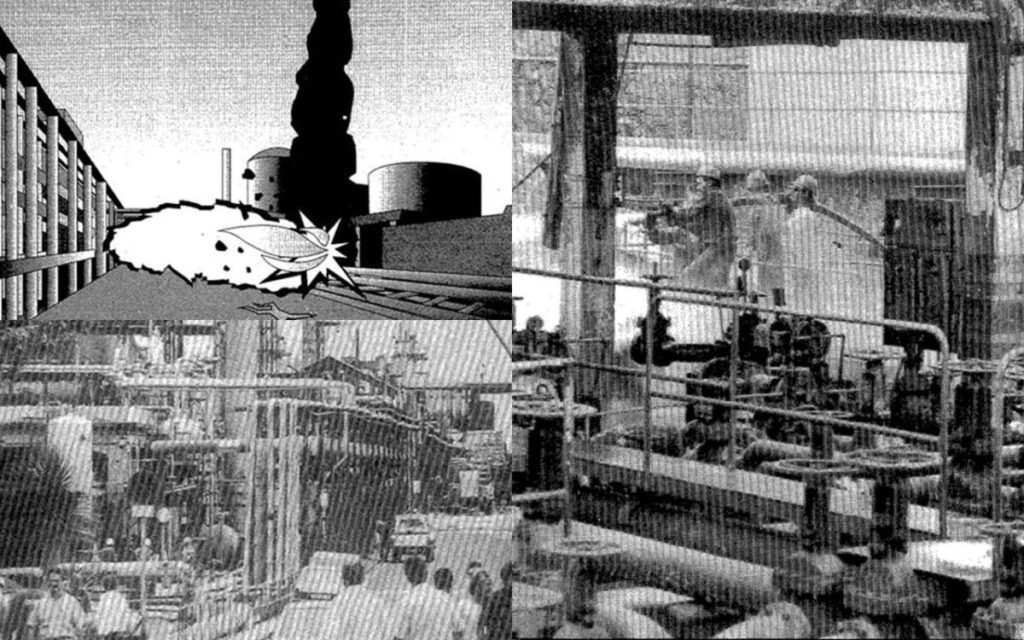
As reported by Diario de Avisos, the industrial history of Santa Cruz de Tenerife is marked by a tragic event: on June 22, 1992, the capital’s refinery suffered the worst workplace accident in its history. The loss of five lives was a devastating personal tragedy for the families involved and served as a major turning point for safety and risk prevention protocols in Spain’s energy sector.
The disaster began during preparations for a shipment when gas and gasoline vapors leaked. Investigators later determined that the ignition was caused by residual heat from the hydrodesulfurization-1 furnace. Although the furnace was out of service, it ignited vapors escaping from a faulty flange in the transfer-2 unit. The explosion occurred at 2:25 p.m., trapping five workers in the center of the complex.
Emergency teams from both the plant and the city responded immediately, extinguishing the flames within 30 minutes. Despite their efforts, the human cost was immense. One worker died at the scene, while the other four were stabilized in local hospitals before being transferred to specialized burn units in Seville and Valencia. Sadly, all four succumbed to their injuries in the days that followed.
This event highlights the inherent risks of petrochemical facilities, where managing temperatures and maintaining seals are vital to preventing dangerous chain reactions. At the time, plant manager Javier Martín Carbajal acknowledged the severity of the accident and the bravery of the workers, who survivors noted had no time to react to the rapidly spreading fire. More than 30 years later, the tragedy remains a somber reminder of the importance of a strong safety culture in the Spanish industrial sector.