
Regenerative Beekeeping Initiatives Highlight Urgent Need for Pollinator Protection
To mark World Bee Day, Natalia Díaz’s Ecoalpispa farm is championing regenerative beekeeping practices to combat declining bee populations and promote environmental sustainability.
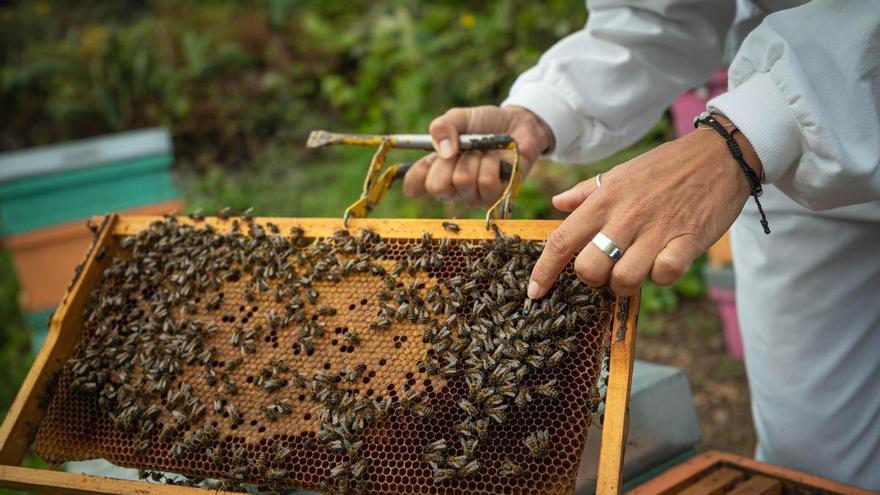
Protecting pollinators has become a top environmental priority, a mission brought to life by initiatives like Natalia Díaz’s Ecoalpispa farm. To mark World Bee Day, the farm opened its doors to the public, offering a firsthand look at how organic beekeeping works in practice.
These operations are more than just businesses; they serve as a vital defense against the decline of bee populations. Scientists have linked this decline to the loss of natural habitats and the heavy use of chemical pesticides. Díaz’s work is part of a growing movement toward "regenerative beekeeping," which focuses on the health of the colony and local biodiversity rather than simply maximizing honey production.
By inviting the public to visit, Díaz is highlighting the real-world challenges facing the industry. As the European Union continues to tighten restrictions on toxic neonicotinoid pesticides, projects like Ecoalpispa prove that it is possible to run a successful business while protecting the environment. Pollination is essential for global food security, and farms managed with organic standards help bees survive and adapt to the climate changes currently affecting the Iberian Peninsula.