
Punta de Teno Success Story: How Restricted Access Saved a Fragile Ecosystem
Tenerife’s Punta de Teno has successfully restored its fragile ecosystem by replacing private vehicle access with a regulated public bus system following a 2016 emergency evacuation.
The transformation of Punta de Teno over the last decade serves as a prime example of how to manage protected natural areas in the Canary Islands. Recent reports on this Tenerife landmark show that restricting access has successfully reversed the environmental damage that reached a breaking point in July 2016, when a landslide on the TF-445 road forced the emergency helicopter evacuation of over 100 people.
That incident, which left visitors stranded on the island's northwestern tip, triggered a major government response. Since January 2017, authorities have replaced private vehicle traffic with a public bus service (the Titsa 369 line). According to the Tenerife Island Council, this system has effectively managed a surge in visitors, with numbers rising from 91,117 in 2022 to 215,997 in 2025.
While these controls—which include physical barriers and constant surveillance—are now considered a success, they initially faced significant local opposition. Public meetings in Buenavista del Norte were once tense, as residents and the local yacht club resisted changes to how the land was used. However, current mayor Eva García notes that public opinion shifted once people saw the improvements in noise levels and the overall environment after private cars were restricted.
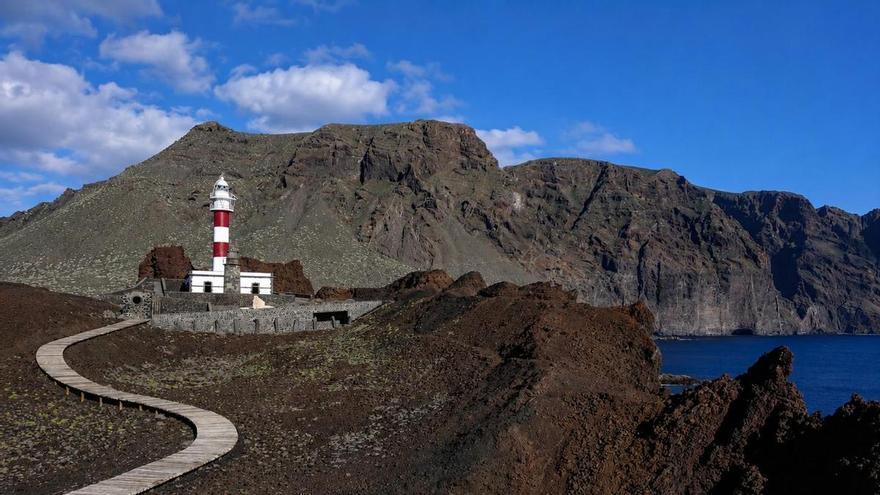
The Tenerife Island Council’s Department of Natural Environment is now planning the next phase of management. They intend to convert the old lighthouse into an interpretation center, which will serve as both an educational hub and a real-time monitoring station. This infrastructure is vital to ensure that the 130% increase in visitors over the last three years does not harm the Teno Rural Park’s delicate ecosystem.
The Teno experience has become a benchmark for sustainability, proving that limiting road access is often necessary to protect fragile environments from the pressures of tourism. The journey from the 2016 emergency evacuation to today’s regulated, controlled-capacity model highlights a shift toward prioritizing conservation over the unrestricted use of public spaces.