
Puerto de la Cruz Unveils 2026 Cultural Strategy to Transform City Into Open-Air Stage
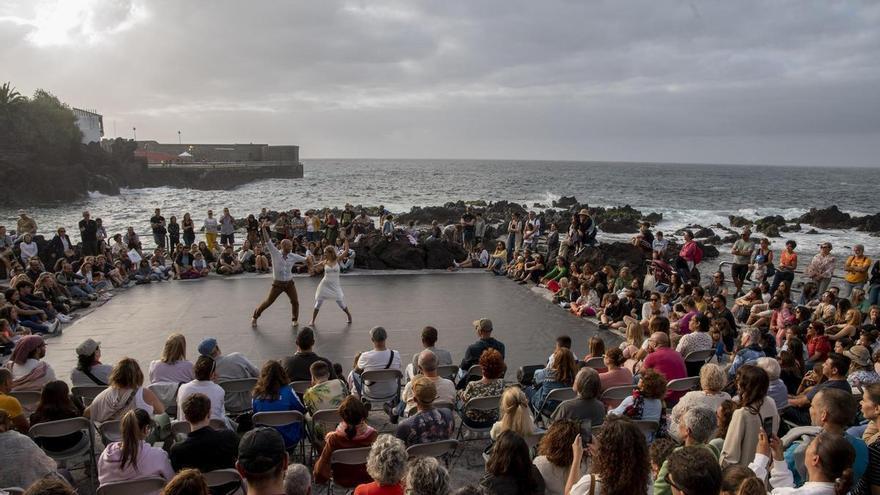
Puerto de la Cruz has launched a new 2026 cultural policy that transforms the city into an open-air stage to increase public accessibility and strengthen its identity as a creative hub.
Puerto de la Cruz has unveiled its 2026 cultural policy, shifting away from a simple calendar of seasonal events toward a model that turns the city itself into a stage. By moving arts and performances out into public spaces, the local council aims to make culture more accessible to everyone and strengthen the town’s identity as a creative hub.
Led by the Department of Culture and supported by the Mayor’s Office, the new roadmap runs from May through the end of the year. The spring season kicks off with the MUECA street arts festival (May 7–10) and the Constelación Escénica event (May 19–22), which focuses on functional diversity. Music lovers can also look forward to the Up&Down series (May 14–18), which blends local heritage with jazz and world music.
The summer and autumn schedule offers a wide variety of events, from classical music to documentary films. Highlights include the Veranos del Taoro performances in Taoro Park (June 18–20) and the Canarias Jazz & Más International Festival (July 23–25). September features the Phe Festival (September 4–5) and the DoCanarias film festival (September 7–13).
The final months of the year are packed with specialized events, including International Music Day (October 2–3), the Periplo literary festival (October 19–25), the DLIBRO publishing conference (November 17–21), and the Ritmos Handmade percussion gathering (November 12–15). The year concludes with the Puerto de la Cruz Bach Festival and a series dedicated to early and baroque music.
This approach reflects a broader trend in Spanish public management, where cities are using culture to drive social cohesion and economic growth. By focusing on community participation rather than just hosting events, the local council is positioning its cultural agenda as a vital, interconnected system. The administration aims to act as a strategic partner, ensuring that culture remains a core part of daily life for both residents and visitors.