
Puerto de la Cruz Launches Spain's First Graphic Heritage Inventory
Puerto de la Cruz, Tenerife, has become the first Spanish municipality to comprehensively document its graphic heritage, including all signs and billboards, making its visual history accessible worldwide.
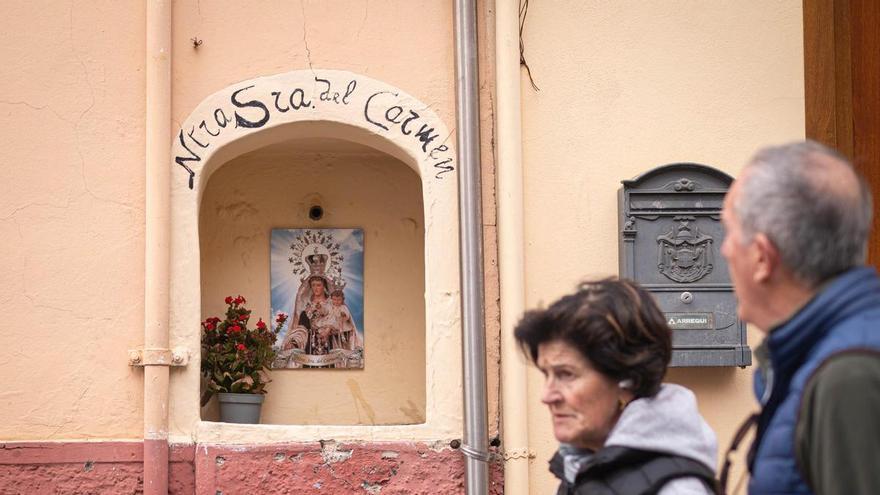
You can now explore the graphic history of Puerto de la Cruz, a port city in northern Tenerife, from anywhere in the world. An innovative new inventory has documented all the signs, billboards, street plaques, and even old bar posters that exist or once existed there. This project is the first of its kind in Spain, setting a new standard for preserving graphic design and advertising heritage. The inventory includes everything from the mosaic sign for 'Nitrato de Chile' fertilizer and the iconic La Fragata bar, to a rusted plaque from the General Society of Authors (SGAE), Heidi posters found on local trails, and even the letters from the historic Chimisay cinema.
Insula Signa, an association dedicated to protecting the Canary Islands' graphic heritage, carried out this study. They recorded 40 existing graphic elements and 30 that have disappeared from Puerto de la Cruz. The document also includes detailed historical research for each item. Old photos and stories from people connected to these elements helped bring back designs like those from the gardens of the old Hotel Taoro, the neon sign of the Dinámico bar, and the huge sign for the former airline Sabena.
Insula Signa has been working on this for five years, but it hasn't been easy. Director Jaime Medina says a big challenge is the "apathy" of some public officials who don't see the value in these historical graphic elements. However, he notes that Puerto de la Cruz was an exception. The idea for the project came from the town's former mayor, Marco González, whose interest helped the regional association turn the concept into a reality.
Medina emphasizes that while some individual signs in Spain are protected – like the famous Osborne bull or another Nitrato de Chile sign in Santa Cruz de La Palma – no municipality had ever before protected all of its graphic heritage. He explains that to appreciate this heritage, you first need to know what exists, which is why Insula Signa was commissioned for this project.
The team spent six to eight months compiling the inventory. Medina describes it as "fieldwork," involving walking across the entire town, taking photos, checking archives, and talking to locals. He stresses that "it's not just about the images, but also the story behind them, which is often the most important part. Sometimes you don't realize the value of a graphic element until you know its history." He added, "It was intense, but it's what we enjoy."
Beyond the inventory itself, a 60-page final report was created. Each graphic element has its own data sheet, providing detailed information such as its material, size, historical background, estimated installation date, and current condition. For signs that no longer exist, the report includes an old photograph and a digital recreation of the logo or design. It also offers a thorough analysis and categorization of each component, plus an overview of the methods used.
Insula Signa started its work in Gran Canaria in 2020 and has since expanded across all the Canary Islands, Medina explains. He emphasizes their collective mission: "to spread awareness about the importance of graphic heritage, which has largely been ignored until now. I think it's so common that we often don't even notice it. It's an incredible treasure, and these are historical elements." The association primarily focuses on commercial graphic heritage, seeing it as "ultimately, the history of the Canary Islands' development. They are visual records."
Medina proudly states, "We have legendary signs in the Canary Islands," recalling various elements they've saved across the archipelago. "Recently, we rescued the first sign in La Palma, which belonged to the Casa Fidio bookstore and had been there for decades," he shared.
Sadly, much of this graphic heritage, as Jaime Medina calls it, is often thrown away or discarded because people don't realize the rich history hidden behind a simple shop sign.