
Puerto de la Cruz Expands Successful Urban Garden Initiative to Revitalize Neighborhoods
Puerto de la Cruz is expanding its successful community garden initiative, which has transformed 19,000 square meters of vacant land into vibrant social hubs, following high demand from residents.
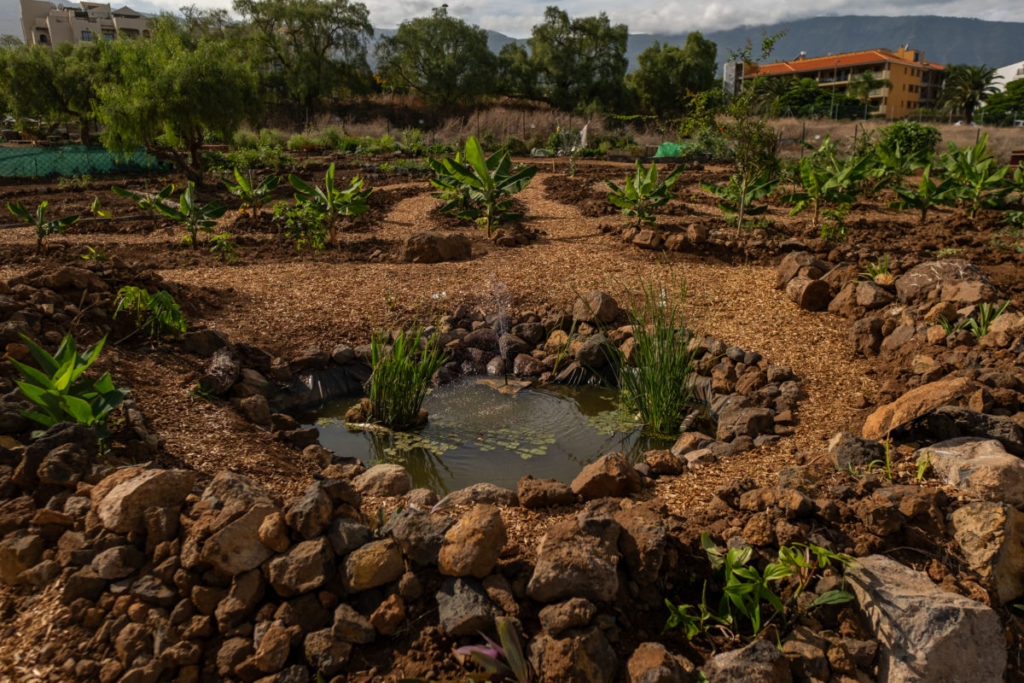
Turning vacant lots into shared community gardens has become a successful way to bring people together and revitalize neighborhoods in Puerto de la Cruz, according to Diario de Avisos. This project has reclaimed 19,000 square meters in the El Durazno area, transforming unused land into a hub for community well-being that goes far beyond just growing food.
Managed through a public tender to ensure the land stays well-maintained, the site features 30 individual 30-square-meter plots. It also includes shared spaces like fruit groves, native plants, and accessible terraces for people with limited mobility. Preparing the land was a significant task; after an initial attempt at clearing the area with grazing animals proved insufficient, crews had to remove debris and enrich the soil with organic fertilizer.
The gardeners—a mix of local residents and groups like Visión Azul Autismo—have been supported by technical training from the La Vereda association. While the project has been a clear success, gardeners are currently asking for more stability. They are calling for official regulations that would guarantee their plot concessions for at least five years, ensuring their hard work and time investment are protected. Despite this, the community spirit is strong: users grow a diverse range of crops and work together to manage irrigation and maintenance for the shared areas.
The popularity of this first garden is clear, with a waiting list of over 80 people. In response, the Puerto de la Cruz City Council is planning to open a second, highly accessible garden in the Jardines Quintana area, with a third location already in the works.
This urban garden model does more than just clean up empty lots; it supports sustainability and local food production. By hosting workshops and educational activities, the city council hopes to build a network of green spaces that act as centers for social connection and healthy living, making these gardens a permanent part of the city’s future.