
Prosecutors Drop Charges Against Caregiver Over Elderly Woman's Funds
Prosecutors dropped charges against a caregiver accused of misusing funds from a 94-year-old woman after a document confirmed the woman's wishes, though her heirs continue to pursue the case.
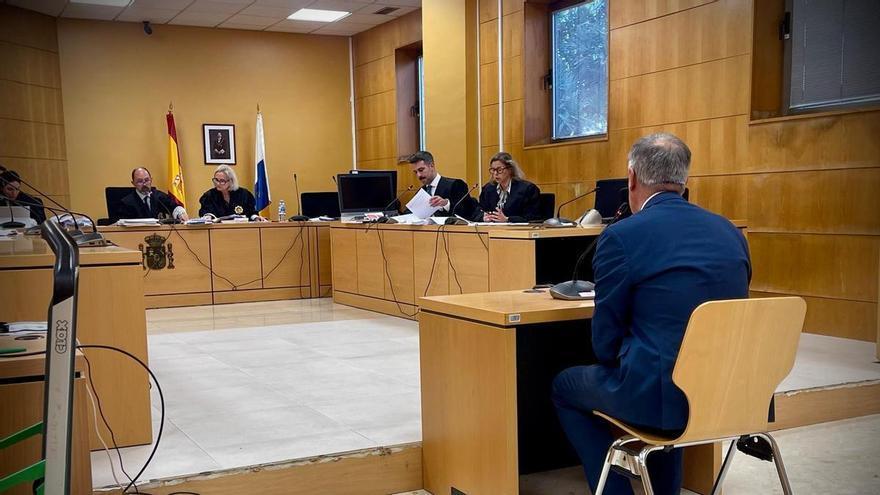
The Public Prosecutor's Office has dropped its charges against a caregiver accused of misusing funds belonging to a 94-year-old woman she had looked after for eight years. This development came out during a recent trial. Prosecutors had originally sought a two-year prison sentence and wanted the caregiver to return 77,000 euros, which she had taken from the elderly woman's bank accounts. However, they changed their minds after the caregiver presented a document outlining the elderly woman's wishes. The notary who prepared this document confirmed that the elderly woman had given the caregiver permission to manage her money.
Even though the Public Prosecutor's Office dropped its case, the lawyer representing the elderly woman's heirs is still pursuing charges. This lawyer is accusing the caregiver and her husband of misusing funds and aggravated fraud, seeking 12 years in prison for each of them. The caregiver's defense argues that the elderly woman explicitly wanted her to spend all the money, saying she didn't want to leave an inheritance. According to the caregiver, this instruction led to home renovations at her house, where the elderly woman lived during her final months.
This case uncovers a complicated family and financial dispute. As the elderly woman's health declined, she hired the accused caregiver. In 2023, the woman gave her caregiver the authority to manage her bank accounts. She also asked a notary to draw up a formal document stating she did not want her granddaughters or ex-daughter-in-law to attend her funeral. The notary testified in court that the elderly woman was fully mentally capable when she signed this document, confirming her wishes were genuine.
Before she died, the elderly woman sold two properties: a two-story house for 50,000 euros and another house in Tajao for 27,000 euros. After selling them, she moved in with her caregiver.
This inheritance dispute is part of a long history of family problems. The people bringing the charges are the elderly woman's two granddaughters. Their father, the deceased's son, separated from their mother in 2008 because of abuse. The family used to live in a two-story house, with the grandmother on the ground floor. After the separation, the granddaughters' father lived with his mother until he passed away. The ex-daughter-in-law and her daughters stayed on the upper floor, which they were granted the right to use by a court order. However, they later left the property, and contact with the family stopped. It's important to note that the couple built the upper floor before their separation, while the elderly woman owned the ground floor and the land. After her son died, the elderly woman tried to register the entire property under her name. But her daughter-in-law reported her and won a fraud case against her. The caregiver stated she only knew one of the granddaughters, who she claims insulted her and reported her to the authorities. The granddaughter allegedly accused the caregiver of kidnapping the grandmother and illegally living in the house.