
Preserving El Toscal’s Historic 'Ciudadelas': A Window Into Tenerife’s Working-Class Past
The surviving ciudadelas in Santa Cruz de Tenerife’s El Toscal neighborhood serve as protected historical landmarks that document the living conditions of the working class at the turn of the 20th century.
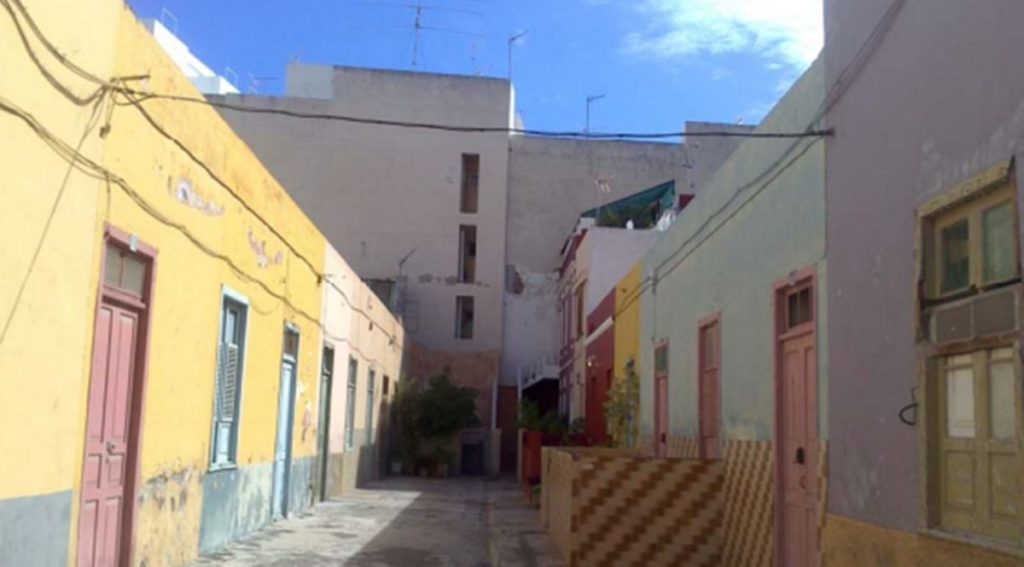
The El Toscal neighborhood in Santa Cruz de Tenerife is home to a unique type of housing known as ciudadelas. These structures are vital pieces of Canarian history, offering a glimpse into the social structure of the capital at the turn of the 20th century. In 2007, they were officially recognized as part of the city's Historic Site and designated an Asset of Cultural Interest.
Built primarily between 1895 and 1905, these complexes reveal how the working class lived during a period of rapid urban growth. Architecturally, they were designed around a central courtyard or corridor, with small private rooms—sometimes as tiny as 14 square meters—branching off from this shared space. Residents had to rely on communal facilities, sharing water sources, bathrooms, and kitchens.
While these ciudadelas provided much-needed housing during a time of expansion, they were often overcrowded and lacked basic health and safety standards. As the city modernized over the following decades, most of these buildings were replaced, leaving only a few remaining today.
Preserving the surviving ciudadelas in El Toscal is about more than just protecting old buildings; it is about keeping our history alive. These homes serve as a physical record of the transition from a pre-industrial society to the modern city, illustrating how families once adapted to limited resources and the ongoing need for affordable housing.