
Pope to Address Canary Islands Migration Crisis During Tenerife Visit
Pope Leo XIV will visit Tenerife on June 12th to address the Canary Islands' migration crisis through a meeting with support organizations and migrants at La Laguna’s Plaza del Cristo.
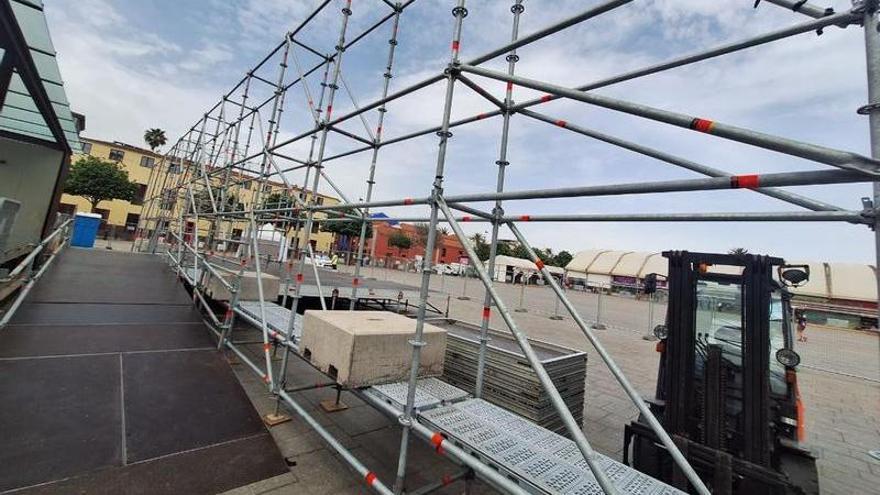
Pope Leo XIV’s visit to Tenerife on June 12th will serve as a powerful platform to highlight the migration crisis currently facing the Canary Islands. Organizers have announced that the Pope will meet with groups involved in migration support at the Plaza del Cristo in La Laguna. Registration for the event opened this Tuesday.
Due to the venue's capacity, attendance is limited, and strict logistics are in place. Attendees must arrive between 7:00 and 9:10 AM. Organizers have specified that chairs and strollers are prohibited, and guests will be required to stand for the 40-minute event, which begins at 10:10 AM. Additionally, the ticketing system will prevent duplicate registrations; those who have already secured a spot for the Pope’s mass in Santa Cruz de Tenerife later that day will not be eligible to register for this meeting.
This gathering follows a planned visit to the Las Raíces Emergency Humanitarian Reception Center. Suso González Concepción, the diocese's delegate for Migration, explained that the event aims to showcase the work of social organizations by featuring direct participation from migrants from Africa and the Americas, alongside industry professionals. The Church intends for this meeting to move beyond simple aid, encouraging a broader social discussion on integration—a challenge that González believes requires greater collective effort.
The timing of this visit is significant, following the recent release of an annual report by Cáritas. Social organizations have highlighted the worsening living conditions for migrants on the islands, citing housing shortages, bureaucratic obstacles, and barriers to employment as key drivers of exclusion. The diocese views the Pope’s visit as an opportunity to shift public perception, emphasizing that the struggles of those arriving in the Canary Islands are not just related to their journey, but are part of a deeper, structural issue regarding how we live together.