
Pope Leo XIV Urges Solidarity Amid Canary Islands Migration Crisis
During his visit to the Canary Islands, Pope Leo XIV urged leaders to prioritize humanitarian solidarity over profit-driven tourism while addressing the ongoing migration crisis on the Atlantic route.
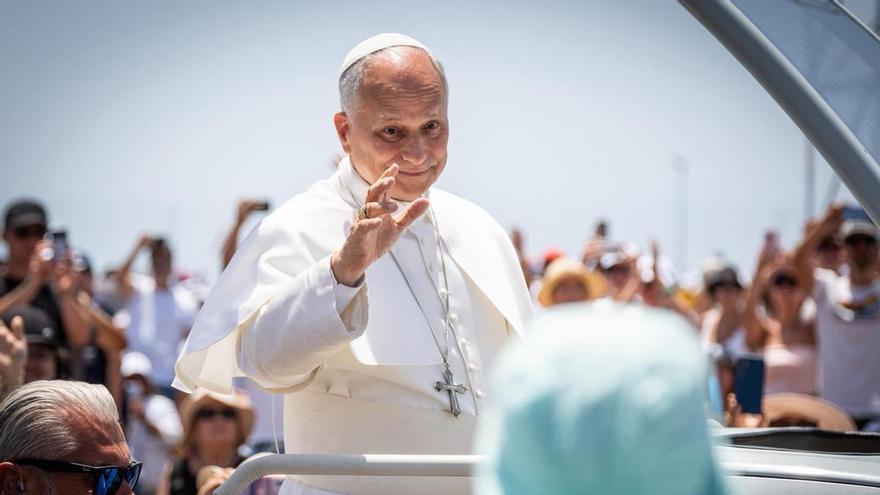
During Pope Leo XIV’s recent visit to Spain, his final stop in Tenerife saw a one-hour delay to the scheduled Eucharistic ceremony. This followed a busy day that began in Gran Canaria and included a trip to La Laguna, where the focus was on the ongoing migration crisis.
In his homily, the Pope highlighted the contrast between two defining features of the Canary Islands: their thriving tourism industry and the humanitarian tragedy unfolding on the Atlantic route. He urged people to look past simple profit-driven motives, warning against the modern tendency to offer quick fixes for deep-seated problems. Instead, he encouraged business and social leaders to view tourism not just as a way to make money, but as an opportunity for meaningful human and cultural exchange.
The Pope took a firm stance when addressing the migration crisis. He praised the efforts of local institutions and the people of the Canary Islands for their work in supporting vulnerable arrivals. He called for a shift in how the Atlantic is viewed, urging that it stop being a place of death and exclusion and instead become a space defined by solidarity.
This message is particularly significant given the current political tension in Spain over how to manage migration and the strain on the archipelago’s reception services. By drawing on the teachings of his predecessor, Francis, Leo XIV emphasized the need for a social ethic that looks beyond short-term interests. He positioned the Canary Islands as a reflection of the global struggle between the comfort of tourists and the desperation of those seeking refuge. The visit concluded with a call for fraternity, challenging both the government and the public to take responsibility for the complex reality of their borders.