
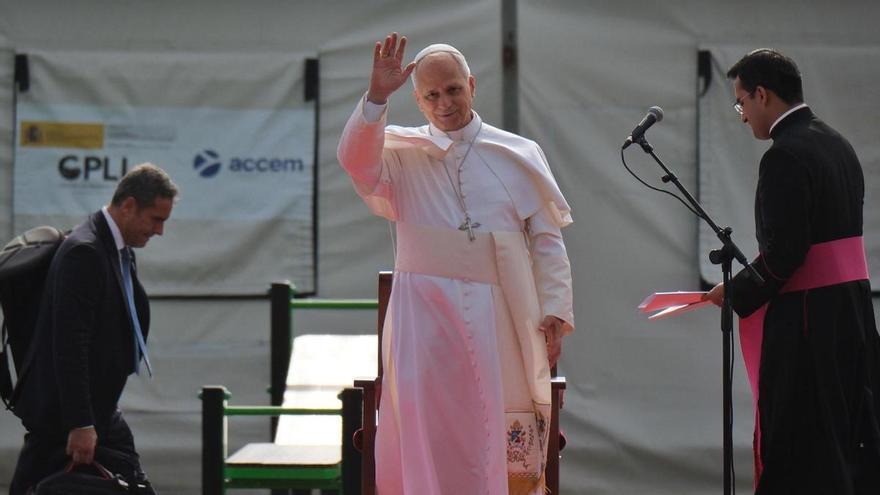
Pope Francis Visits Tenerife Migrant Center to Highlight Human Cost of Atlantic Crossings
Pope Francis visited the Las Raíces migrant reception center in Tenerife to highlight the humanitarian challenges of the Atlantic migration route and advocate for the dignity of those seeking refuge.
The Pope’s visit to the Las Raíces reception center in Tenerife went beyond formal protocol, placing him at the heart of the debate over migration at Europe’s southern border. The meeting served as a powerful platform to highlight a reality often lost in official statistics: the thousands of people who, after surviving the dangerous Atlantic crossing, are waiting for a chance to build a new life on the islands.
The event, attended by Migration Minister Elma Saiz and the Bishop of Tenerife, Eloy Santiago, showcased the center’s work in caring for over 70,000 people since it opened. Center director Ernesto Mayoral praised the staff, noting the facility's critical role during the 2021 crisis, when it housed more than 4,000 people at once.
Beyond the numbers, the day was defined by the voices of the residents. Taiwo Oluwatobi, a young man from Nigeria, spoke movingly about human dignity and the right to move freely. He urged policymakers to see migrants as people rather than just administrative files, calling for better access to education and the opportunity to live independently, rather than being defined by the stigma of borders.
Speaking in French, the Pope connected the center’s name, "Las Raíces" (The Roots), to the importance of preserving one’s identity and heritage. This symbolic gesture brought a personal touch to a visit that highlights the urgent need for the Canary Islands—a gateway to one of the world’s most perilous migration routes—to provide reception conditions that offer more than just basic survival.
The Pope’s presence in this diverse, bustling hub served as a stark reminder of the gap between the lived experience of those seeking refuge and the political responses from the mainland. It underscored that migration is not just a temporary issue, but a defining challenge of 21st-century geopolitics.