
Podemos Canarias Opens Advice Office to Assist Migrants with Regularization Process
Podemos Canarias has launched a new advisory office and a multilingual AI platform to assist migrants with the complex regularization process in the Canary Islands amid calls for an extension of the June deadline.
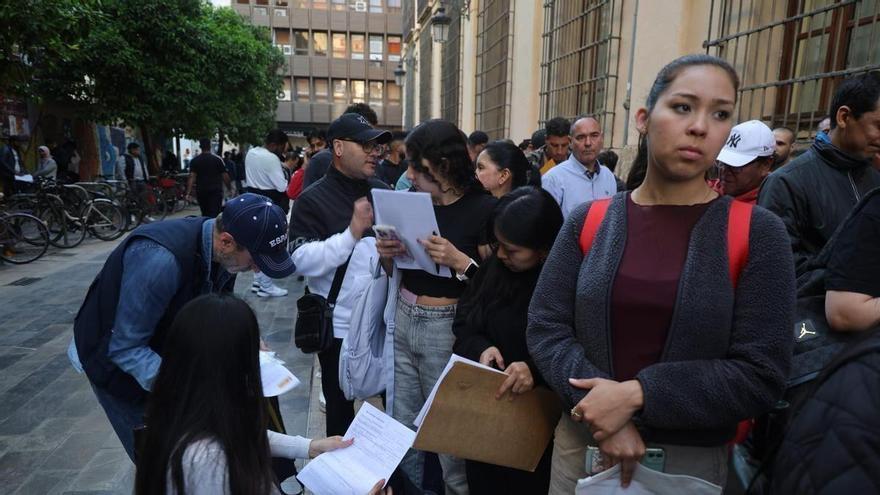
The process of legalizing the status of migrants in the Canary Islands has become a major source of political and social tension, exposing the deep-seated challenges people face when trying to access their rights. To address this, Podemos Canarias has opened an advice office at its headquarters in La Laguna, Tenerife, to help people navigate the extraordinary regularization process, which is set to end this June.
This move comes after reports of significant problems with the program’s rollout. Public social services are currently overwhelmed, and the complex bureaucracy has made it difficult for people to get the information they need. Podemos Canarias argues that a lack of clear guidance, combined with the fear many migrants feel due to their current status, has created a bottleneck. Because of this, the party is calling for an extension of the current deadlines. The new office, located on Camino de San Lázaro, will be open on Tuesdays to provide guidance and advice, though staff cannot process applications directly.
In addition to the physical office, the party has launched a digital platform available in eleven languages. This site uses artificial intelligence to help users, aiming to combat misinformation and prevent fraud. The platform also warns applicants about the legal risks of submitting false documents and cautions against using unauthorized intermediaries.
The current situation is critical. Regularizing those who already live and work in the islands is not just about providing legal certainty for individuals; it is also a way to help them fully integrate into the local economy. The call for an extension highlights a clear gap between the political goal of regularization and the government’s ability to handle the high volume of applications. Ultimately, this debate emphasizes the urgent need to simplify legal pathways so that administrative hurdles do not prevent people from regularizing their status.