
Plaza de los Patos: The Enduring Legacy of Santa Cruz de Tenerife’s Iconic Square
Santa Cruz de Tenerife’s historic "Plaza de los Patos" serves as a preserved cultural landmark, reflecting the city's early 20th-century merchant heritage through its iconic tiled benches and community-funded architecture.
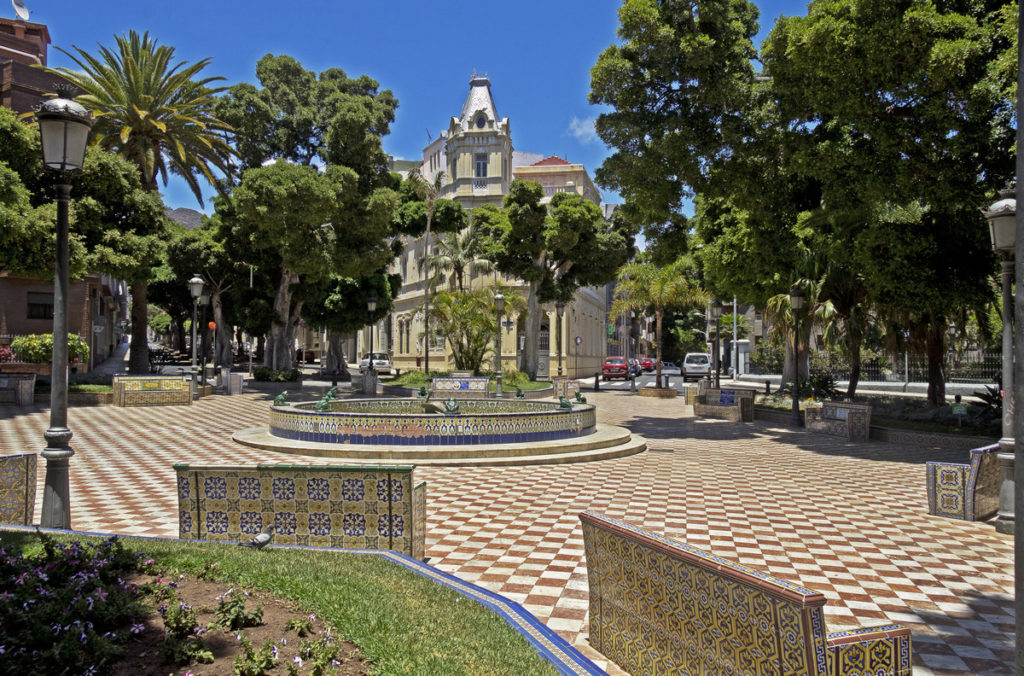
Plaza del 25 de Julio, better known as "Plaza de los Patos" (Duck Square), is a unique window into the history and social identity of Santa Cruz de Tenerife. More than just a public garden, it serves as a living record of the wealthy merchant class that shaped the city’s development in the early 20th century.
Located in the "Barrio de los Hoteles"—now a protected site of cultural interest—the square’s history began with a failed project. In 1901, the space was intended to be a monument to General Leopoldo O’Donnell. Even after King Alfonso XIII laid the first stone in 1906, the project collapsed due to a lack of funding. All that remained was a metal fence, which locals mockingly called the "King's Stone."
The square’s transformation began in 1913, when architect Antonio Pintor Ocete designed a garden featuring an irregular pond. The name "Duck Square" stuck because of the aquatic birds kept there at the time. However, the square’s iconic look arrived in 1926. Local residents raised 4,000 pesetas through raffles and parties to replicate the famous Frog Fountain from Seville’s María Luisa Park.
This community effort also funded the square’s signature benches, decorated with Triana-style tiles. These tiles are more than just art; they act as a historical directory of the local businesses that operated at the time.
Preserving this landmark has required several major restorations, most notably in the late 1960s, between 1986 and 1990, and a full renovation by the city council in 2018 for the square’s centenary. These efforts have kept the site intact, preserving a space that—from its original child statue to the current frogs and turtles—perfectly captures the modern ambitions of a city growing alongside its bustling port.