
Playa Jardín Reopens After Year-Long Contamination Closure; Locals Remain Wary
Playa Jardín in Puerto de la Cruz reopened on June 17, 2025, after 349 days closed due to contamination, with businesses recovering but many local residents still hesitant to swim despite official water safety assurances.
Playa Jardín in Puerto de la Cruz is buzzing with swimmers and businesses again, almost a year after it closed. The beach, which was shut for 349 days, reopened on June 17, 2025. This happened after health officials from the Canary Islands Government confirmed that the water in all three of its sections – El Castillo, El Charcón, and Punta Brava – was safe for swimming. However, it seems local residents are still not entirely confident about the beach.
The beach had been closed since July 3, 2024, because high levels of fecal contamination were found in the water. A study ordered by the regional government pointed to several problems: the Punta Brava wastewater treatment plant wasn't working properly, a pipe under the sea had broken, the sewage system had serious flaws, and there were issues with three specific overflow points (El Caletón, Playa Chica, and Playa Jardín itself). To fix this, authorities invested over two million euros in the La Orotava wastewater treatment plant. After more than twenty positive water tests since December 2024, the beach was finally given permission to reopen on June 10, 2025.
Businesses near Playa Jardín are clearly bouncing back. Places like the Playa Jardín terrace bar in El Castillo and Playa Jardín Burger, which reopened in July 2025 after being closed for four years, are seeing a steady stream of customers. Workers there note that even with recent rain possibly reducing numbers, the beach was packed on sunny days before the official reopening. This suggests the hotel industry didn't suffer too badly during the closure. Meanwhile, businesses in El Charcón, which recently secured 20-year leases, are being renovated, and seaside terraces are being put back, making the area look lively again.
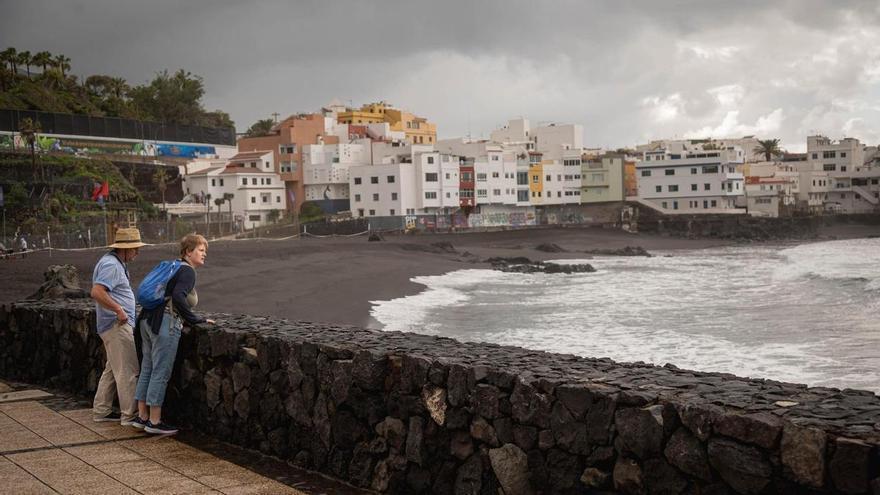
However, this recovery hasn't won over everyone, especially local residents. Many people in Puerto de la Cruz are still hesitant to swim at Playa Jardín. Carmen García, who watches the beaches daily, feels uneasy, particularly when the sea is rough and looks unappealing. She believes the damage from the closure goes beyond just lost business; it has harmed the town's reputation. Carmen feels that while sewage problems aren't unique to Puerto de la Cruz, the scale of this incident has made the town stand out in a negative way.
Other residents share this lack of trust. Paula González, for instance, admits she feels "dread" about swimming. She remembers a carefree childhood spent in the water, but now she's aware of sewage outlets like the one at Punta Brava. Her worries go beyond just water quality; she wants to see bigger improvements, such as thorough cleaning after rain washes rubbish down the San Felipe ravine, better maintenance of the playground, and more supervision. She also feels the town's image has changed among her university friends, many of whom only know Puerto de la Cruz from news about the beach closure, though she points out that tourists still came in large numbers even when the beach was shut.
Alicia Domínguez, from Toscal Longuera, also thinks the sea "still looks dirty" during her weekly walks along Playa Jardín and believes the closure definitely hurt the town's tourist appeal. Lucía Palmero hasn't even stepped onto the sand since the beach closed. She lacks confidence because of what she's heard and doesn't want the hassle of going to other beaches. She's even heard talk of people getting skin rashes from swimming there.
Despite the caution from local residents, Playa Jardín now faces the challenge of fully recovering. This means not only ensuring good water quality and boosting local businesses, but also winning back the complete trust of both residents and visitors. The goal is to prove it can once again be the beautiful spot that pollution temporarily ruined.