
Playa Jardín Anniversary Marred by Ongoing Sanitation Failures and Public Distrust
One year after the reopening of Tenerife's Playa Jardín, public distrust persists as critical sanitation infrastructure projects face significant delays and ongoing concerns regarding water quality management.
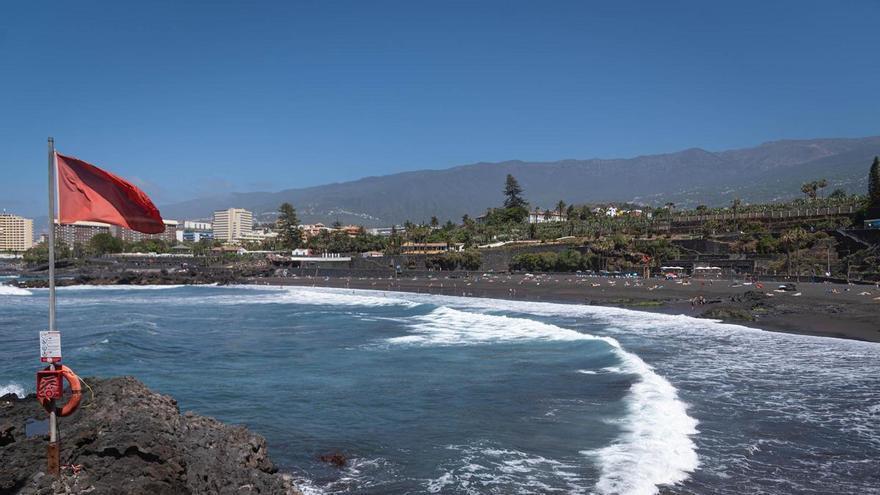
June 17 marks one year since the reopening of Playa Jardín in Puerto de la Cruz, following a long closure due to fecal contamination. However, the anniversary has become a focal point for growing public distrust. The "Stop Vertidos al Mar" (Stop Sea Discharges) platform argues that the beach’s current status masks a deeper crisis: a sanitation infrastructure that remains stalled, with public authorities failing to meet their promises.
The gap between emergency fixes and long-term solutions is significant. The regional wastewater treatment plant’s new system, intended to recycle water for local agriculture, is still in testing. It currently processes only 7,000 cubic meters of water per day—just one-third of the plant’s total flow. As a result, 13,000 cubic meters of water that do not meet irrigation standards are still being discharged into the sea. Due to delays in sourcing electrical components, the project’s completion has been pushed back to March 2026.
Other sanitation projects are also facing uncertainty. A 21-million-euro expansion of the treatment plant has been delayed until 2028 because the environmental impact assessment had to be restarted. Meanwhile, the replacement of the Punta Brava underwater pipe, which was awarded a year ago, has yet to begin. Furthermore, there is still no formal plan for upgrading the local sewage network, which puts existing funding at risk.
Neighborhood groups remain skeptical due to a lack of transparency regarding local pumping stations, which have previously been flagged for irregularities by environmental authorities. Critics argue that the current water quality is being maintained by adding sodium hypochlorite (bleach). They warn that using this chemical on water with high organic waste can create toxic byproducts, such as trihalomethanes, which may pose long-term risks to public health and the marine environment.
While the Tenerife Island Council maintains that the water is safe, the reality is a series of unfinished projects and missed deadlines. The "Stop Vertidos al Mar" platform insists that simply allowing people to swim is not a permanent solution. They are calling for a comprehensive, transparent plan to protect the coastline from a sanitation system that, one year later, is still far from functional.