
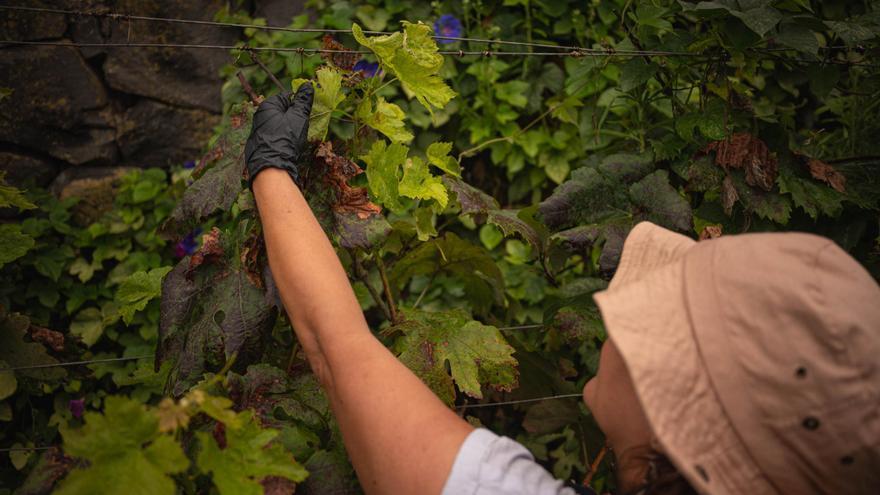
Phylloxera in Tenerife: winemakers raise the alarm due to weak border controls
The presence of phylloxera has been detected in Tenerife, posing a threat to the vineyards of the Canary Islands due to insufficient border control, and prompting the introduction of urgent measures to prevent the spread of the pest.
The discovery of phylloxera in Tenerife has deeply concerned winemakers in the Canary Islands, as this disease was previously absent here. This insect can destroy the entire grape harvest. Now, the effectiveness of the plant control system, especially in ports and airports where the state is responsible, is in question.
Valentin Gonzalez, the agricultural advisor in Tenerife, says that the pest entered the islands due to poor border control, despite the existence of special regulations in the Canaries to prevent this, such as the 1987 law.
"We don't know exactly how phylloxera got to us, but it happened. This means that our plant protection system has failed," he emphasizes.
The Canary Islands are not part of the European plant control system, so the 1987 law applies here. It prohibits the import of grape plants and insects that cause phylloxera but allows the import of seeds and grapes. However, according to the advisor, this law exists only on paper because not enough money has been allocated for its implementation.
Responsibility for border control lies "entirely" with the Spanish government. Gonzalez says that it is to blame for the poor functioning of border checkpoints.
He notes that there is a shortage of specialists, no investment in new equipment, too much bureaucracy, a lack of coordination, and insufficient control over illegally imported plants.
The lack of control can have serious consequences. "If infected plants are imported, it can cause great damage to winemaking in Tenerife. And we will have to spend a lot of money to combat this," the advisor adds.
Therefore, Gonzalez demands that the government "immediately" increase the number of specialists at checkpoints and install new rapid analysis systems.
It is also necessary to improve cooperation with the authorities of the Canary Islands, strengthen control over plants, impose stricter penalties for illegal imports, and better track grapes.
The government of the Canary Islands has already begun to combat the spread of the pest. On August 20, an order was issued declaring a phylloxera epidemic in Tenerife and introducing urgent measures, including a ban on the movement of grapevines and fresh grapes to prevent the disease from spreading further.
In addition, on August 30, the Spanish Ministry of Agriculture banned the import and transport of grape fruits and seeds from countries where phylloxera is present.
"If we want to protect our agriculture and winemaking, we must demand that the government fulfill its obligations and prevent such situations from recurring due to problems at the border," Gonzalez concludes.