
Phylloxera has been detected in Tenerife: authorities are taking urgent measures to protect vineyards
Phylloxera has been detected in the vineyards of Tenerife, threatening unique grape varieties, and authorities are taking urgent measures to contain the pest.
Trouble has struck the vineyards of Tenerife – phylloxera, a very harmful beetle for grapes, has been found. It has affected 50 vines, mainly in abandoned areas. This was reported by the Council of Tenerife after checking over 1,600 different locations on the island.
The head of the Council, Rosa Dávila, assures that the cases are "under control" and reminded that this pest can cause a lot of trouble if action is not taken quickly. "Once, phylloxera destroyed almost all winemaking in Europe, but the Canary Islands were spared. That's why our wines are so special today," she explained.
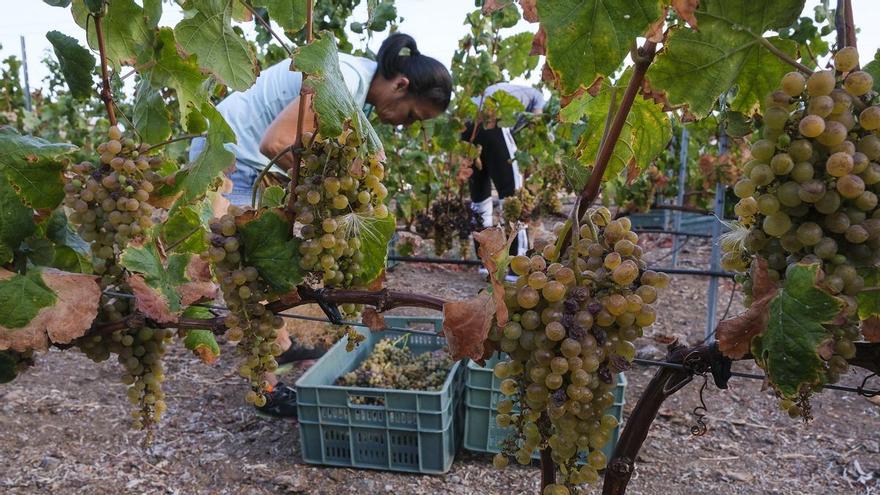
The fight against the pest has already begun, and it is very timely, as the harvest is currently underway.
Dávila emphasized that they reacted "very quickly" to prevent the beetle from spreading further. "All the restrictions, although unpleasant, will help us get rid of phylloxera," she assured.
She also added that most winemakers support the restrictions imposed by the governments of the Canary Islands and Spain, although the Association of Winegrowers and Winemakers of the Canary Islands (Avibo) does not entirely agree.
Valentín González, who is responsible for agriculture, explained that the best way to protect the vineyards is to restrict the transportation of plants between farms. According to him, this, along with the work of specialists, will help reduce the damage from phylloxera to the economy and reputation of Tenerife wines.
"This will not affect the uniqueness of our wines in any way," González assured, emphasizing the importance of preserving this valuable product, which is well known and loved in Spain and abroad.
Phylloxera is an insect that damages the roots of grapes, and the plant can die. Once, in the 19th century, it caused a lot of trouble in Europe, and then they began to graft European varieties onto American vines, which are resistant to this pest.
The fact that the Canary Islands have been free of phylloxera for so long has allowed them to preserve unique grape varieties that do not need to be grafted. This is what the Canary wines are famous for.
That is why the authorities are so insistent on taking quick action to prevent phylloxera from spreading.
The Council of Tenerife promises to continue inspecting vineyards. They also ask farmers and winemakers to help and report the first signs of the pest, as well as to comply with the rules for transporting plants.
Although there are not so many affected vines, the situation is serious, and we need to be very careful.
The island's authorities hope that thanks to the measures taken and cooperation with winemakers, phylloxera will be stopped and viticulture on the island will be preserved.