
Paraglider Landings Spark Safety Fears at Puerto de la Cruz Beach
Lifeguards at Martiánez beach are calling for designated paragliding landing zones due to an increase in dangerous landings and near-misses, including one fatality this year.
Lifeguards and beachgoers at Martiánez beach in Puerto de la Cruz are worried about paragliders landing too close to people. This year alone, there's been one death and several near misses where paragliders landed in the water or on nearby cliffs and tunnels. This has brought attention to the fact that there are no clear rules for paragliding landings along the Puerto de la Cruz coast.
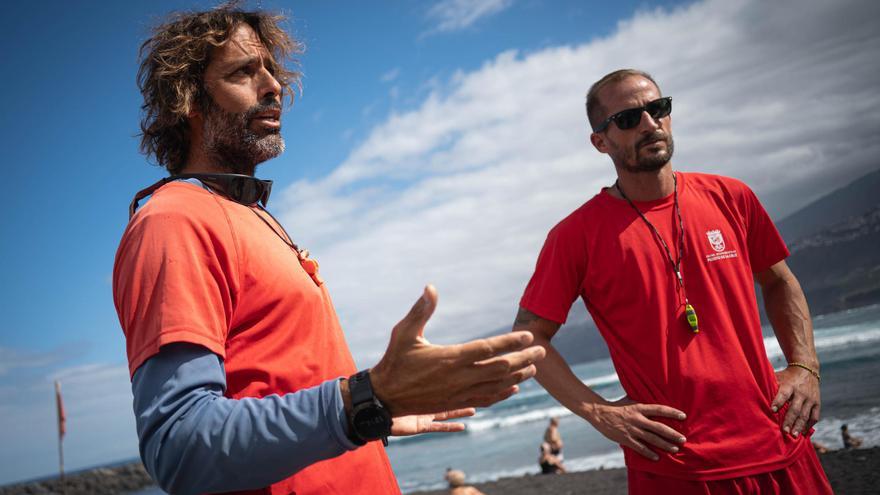
Coast guards say the issue isn't paragliding itself, but the danger of landing in an unsuitable area. "The pilots are professionals, and it's not the wind that's the problem," says Nicolás Coll, a lifeguard with 22 years of experience at Martiánez. "The issue is that this isn't an official landing spot, and they're landing above people."
While Martiánez beach has been used for landings informally for a long time, it's not officially designated for it. Puerto de la Cruz does have an official landing zone behind the El Peñón stadium, but many paragliders, especially those flying from La Paz or Izaña, choose to land at Martiánez. "This has been happening for years, but that doesn't make it safe," adds Sergio Abrante, a lifeguard with 19 years of service. The same problem exists at Playa Jardín, where landings also occur above beach users.
Two paragliders, who wished to remain anonymous, agree that a dedicated landing area would be ideal. They believe a spot behind El Peñón and the Tenerife Water Sports Center would be perfect. "It's important to have rules so nobody gets hurt. Landing on such a small, crowded beach is difficult," they commented.
The lifeguards emphasize that their concern is about safety, not about blaming paraglider pilots. They want to ensure the safety of everyone, including themselves, the paragliders, and the beachgoers. "Some days, we see canopies falling near people. It might seem minor, but it can cause serious injuries, fright, or even heart attacks," Coll stated.
They point out that at El Socorro beach in Los Realejos, where paragliders also used to land above swimmers, the local council has banned paragliding landings through a decree. This allows the police to take action. "Here, there are no regulations, so they can't be fined even if they land right on the beach," they explained. Designating the area near El Peñón would offer a much-needed solution to a long-standing problem.
The risk of paragliders landing in the water is also a significant concern. In recent years, there have been more instances of forced landings in dangerous spots like cliffs, tunnels, and natural pools. Coll recalled an incident a few months ago where a tandem paraglider lost control and the pilot had to cling to a rock wall. "Luckily, nothing happened, but we can't rely on luck," he said.
Martiánez beach itself presents challenges due to its small size and rocky terrain, making it difficult to establish a safe landing zone. When the tide comes in, the beach shrinks even further, leaving "no space or margin."
The lifeguards have requested a meeting with the Puerto de la Cruz City Council to discuss a solution with the Paragliding Federation and the Local Police. "We're worried because when a paraglider falls into the sea, every second counts. We can't prevent it like we do with the sea; we can only react after it happens," they explained.
Coll and Abrante believe the best solution is to designate a proper landing area. "It's not about banning paragliding, but about ensuring safety," Coll concluded. "We all want the same thing: for pilots to fly safely and for beachgoers to enjoy their time without worrying about something falling from the sky."