
Orotava Valley’s Unique ‘Braided Vine’ Tradition Set for Cultural Heritage Status
The Orotava Valley’s unique "cordón trenzado" vine-training method is set to receive Property of Cultural Interest status, marking a significant milestone in preserving the region's viticultural heritage.
The Orotava Valley is on the verge of securing legal protection for one of its most distinctive traditions. The Cultural Heritage Council has officially backed the proposal to declare the "cordón trenzado" (braided vine) a Property of Cultural Interest (BIC) as an intangible heritage asset. This milestone follows twenty years of collaboration between the municipal governments of La Orotava, Puerto de la Cruz, and Los Realejos to preserve a vine-training method that remains unique in the world of viticulture.
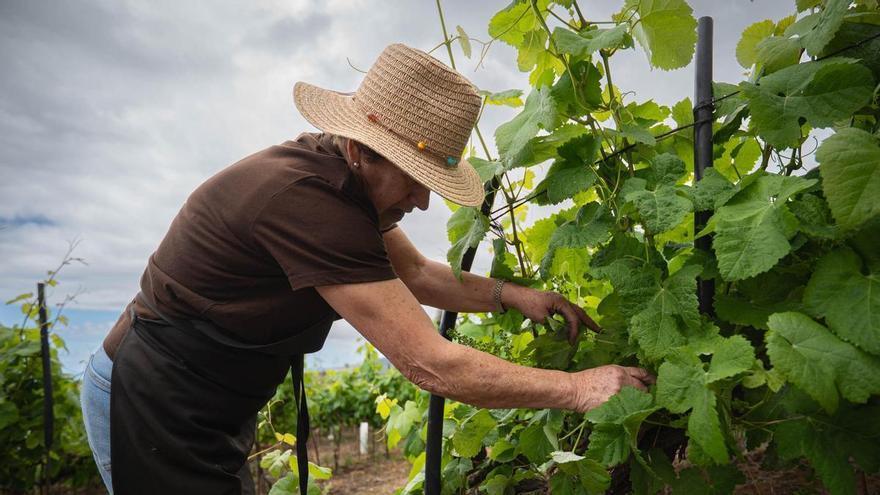
More than just a cultural relic, this system was a historical solution to the island's need for self-sufficiency. Traditionally, the braided vine allowed farmers to maximize their land by leaving the center of their plots open to grow vegetables and tubers alongside the grapes. The technique involves training ungrafted vines by weaving and guiding the wood into specific shapes. While it once relied on heather stakes, the method has evolved to meet the needs of modern winemaking.
In the late 1990s, research conducted with the Rovira i Virgili University helped modernize the system, moving the vines into a more vertical arrangement. This change makes maintenance easier and improves sunlight and airflow, which helps protect the grapes from fungal diseases like powdery mildew. Long-standing local producers, such as the Tajinaste winery, view this blend of ancient heritage and modern efficiency as the key to their unique wine production.
The proposed BIC status is intended to be more than just a nod to history; it is a strategic move to encourage younger generations to enter a demanding industry. For local growers, the primary challenge remains making these traditional practices economically viable. While wineries like Tajinaste use a mix of braided vines and modern trellising for different grape varieties, the braided vine remains the heart of their identity. Experts agree that this technique is irreplaceable, serving as a defining feature of the Tenerife landscape.