
One in Ten Spanish Teens Addicted to Gambling; Tenerife Businesses Fined
A new report reveals one in ten Spanish teenagers is addicted to gambling, prompting police action against businesses and experts to call for greater societal responsibility to protect youth mental health.
A new report from the Ministry of Health reveals a worrying increase in gambling addiction among young people. The study found that one in ten Spanish teenagers, aged 14 to 18, is addicted to gambling.
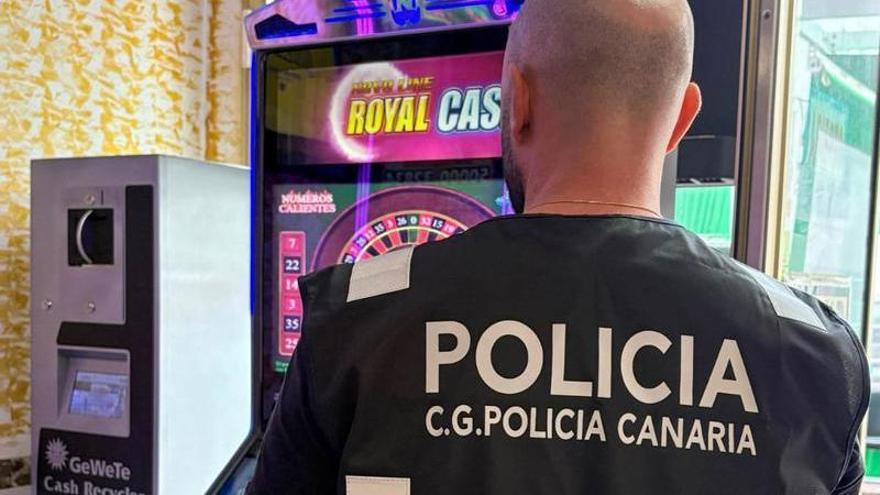
This growing problem comes as Canarian Police in Tenerife have recently fined around twenty gambling businesses across the island. The police unit responsible for inspections checked thirteen places, focusing on 'Type B' machines – commonly known as slot machines – found in bars and cafes. They found problems like slot machines being in the wrong place, businesses not completing required paperwork (such as giving advance notice), and not having the special complaints book for gambling venues. One machine was even sealed because police suspected its identification details had been tampered with. These operations aim to ensure businesses follow regional rules, checking that information signs are correctly displayed, permits are valid, and there are no illegal activities that could affect how the prize machines work fairly.
The Canary Islands mirror this national trend, with an estimated nearly 10,000 teenagers addicted to betting. Juan Capafons, a Professor of Clinical Psychology and addiction expert at the University of La Laguna, confirms how serious this is. He points out that an earlier study in the Canary Islands, called 'Desenredate', found very similar results. Capafons highlights that it's highly likely 10% of young people bet online, even though it's against the rules. He believes the solution is to encourage healthy use of new technologies, suggesting that simply banning things shows a lack of proper education.
The professor stresses that parents, guardians, and society all share a responsibility to protect young people's mental health. He warns that ignoring the problem will only make it worse and harder to fix. He argues that adults need effective tools to handle this new digital world. Capafons also criticizes how society often downplays the impact of some addictions. He reminds us that gambling and betting require self-control, a skill teenagers are still developing. His recommendation is clear: young people should have absolutely no contact with gambling and betting.
Nationally, Ministry of Health figures show that almost one in four boys (24.4%) aged 14 to 18 gambled in the last year. This includes in-person gambling (20.9%) and online betting (13%). The report defines gambling as having three parts: betting money, an uncertain result, and the chance to win cash prizes. The data reveals a clear difference between genders, with boys participating and spending more on both types of gambling.
When it comes to how often they gamble, 11.4% of young people who bet online do so every day, and 19% gamble two to five days a week. For in-person gambling, daily participation drops to 2.1%. It's more common for them to gamble weekly (11.2%) or monthly/annually (86%).