
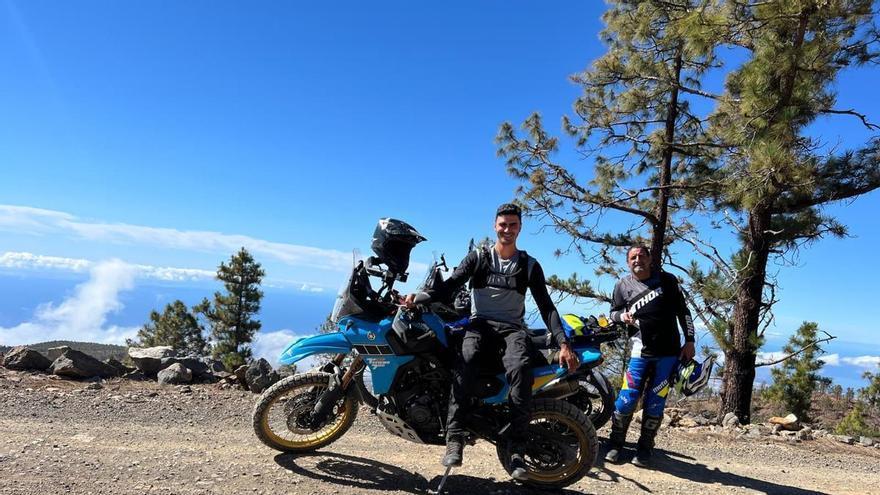
Off-Road Group Lobbies to Reopen Historic Routes in Teide National Park
The Comunidad Offroad Tenerife group is lobbying the Cabildo to reopen historic routes in Teide National Park for regulated motor-tourism, sparking a debate over environmental protection versus public access.
A new conflict has emerged in the Canary Islands regarding the management of protected natural areas. According to local reports, the group Comunidad Offroad Tenerife is lobbying the island’s council (Cabildo) to reopen two historic routes in Teide National Park. These paths were recently closed to motorized traffic following an update to the park’s Master Plan for Use and Management (PRUG).
The dispute involves the Montañas Negras area in Arico and the track connecting Ramón Caminero to Izaña. While current regulations state that motor vehicles are incompatible with ecosystem protection, the group—led by Francisco Mora—argues that the closures are excessive. They contend that these paths have long been used for forestry, beekeeping, and hunting, and hold significant heritage value.
The group, which represents some of the island’s 12,000 off-road vehicle and dirt bike users, is not calling for unrestricted access. Instead, they are proposing a regulated "motor-tourism" model. This would include paying access fees, completing mandatory training on local geology and biodiversity, and implementing strict entry controls. The group’s spokesperson, a former forest firefighter, suggests that organized users could even act as "eyes on the ground," helping to deter illegal activity and spot wildfires early.
This situation highlights the ongoing tension between strict environmental protection and public access to roads that often existed long before these areas were designated as national parks. The organization emphasizes that they are not involved in extreme sports; rather, they believe responsible use of these areas helps prevent rural abandonment.
The future of these routes will be discussed next Wednesday during a meeting between the group and island officials, including councilor Blanca Pérez and director Pedro Millán. The meeting will determine if a compromise can be reached that balances environmental conservation with the group’s request to be integrated into forest management, citing their history of assisting during emergencies, such as the 1995 fires.