
Nueva Línea: Tenerife Orchestra's Viral Rise to Fame and Controversy
Tenerife's traditional orchestra Nueva Línea has become a surprising viral sensation in Spain, transforming from local festival acts to national fame and significantly increased fees through TikTok, despite facing music rights controversies and internal tensions.
The orchestra Nueva Línea, from Arafo, Tenerife, has become a surprising viral music sensation in Spain. They've gone from playing at small local festivals for a modest fee to achieving huge success on platforms like TikTok, racking up millions of views, big contracts, and national fame.
Until January 2025, the group charged about 2,800 euros for each show at popular festivals and local events. This amount, which had to be split among all members and didn't cover travel or accommodation, was typical for bands playing on the festival circuit. For decades, Nueva Línea operated within these regional events without aiming for widespread commercial success. However, their sudden viral fame has completely changed their situation and how their music is valued financially.
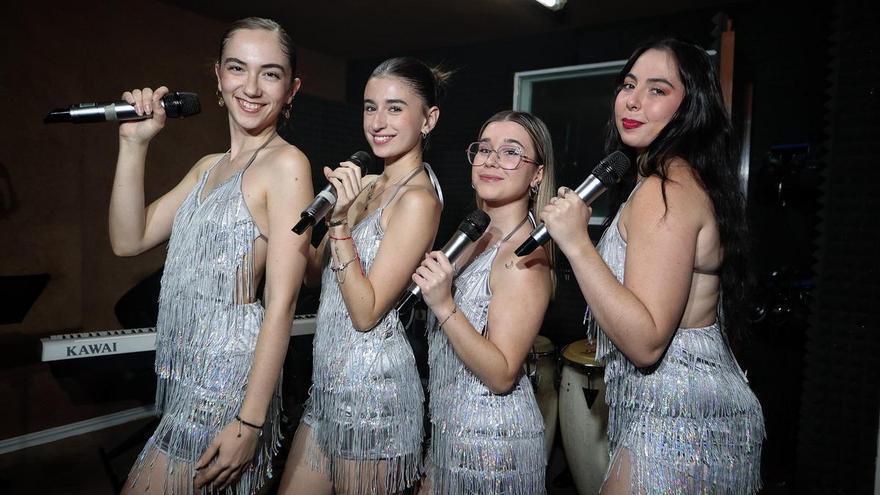
Nueva Línea’s story is a perfect example of how digital trends can transform an old musical tradition. With over 30 years of experience playing at festivals, the orchestra reinvented itself by bringing in four young female singers—Sofía, Raquel, Maite, and Alicia. They injected new energy and a fresh style into traditional songs, unexpectedly connecting with audiences on social media like TikTok and Instagram.
The big change happened when their versions of classic songs, especially “Una noche de copas” and “Un beso,” started to go viral. These tracks gained tens of millions of views on social media and even made it onto Spotify Spain’s viral hits list. This was a huge leap from traditional listening to massive digital consumption.
This impact has completely reshaped the orchestra's career, their income, and their financial demands. What were once small contracts have led to requests for concerts in famous venues like Live Las Ventas in Madrid, with a show scheduled for February 1st. Tickets are selling for 17 and 19 euros, a level of anticipation a typical local festival band would rarely generate.
While the orchestra hasn't officially announced their new fees, music industry sources and event organizers say their performance fee has significantly increased. It's now much higher than the 2,800 euros they charged just a year ago.
Event organizers and promoters suggest that for big stages and festivals, Nueva Línea might be asking for prices far beyond their old base rate, reflecting market demand and public interest. This phenomenon has turned the group into both a cultural highlight and an attractive commercial option for festivals, concerts, and summer events.
This rise to fame has also brought some controversy regarding music rights and originality. Musician Tonny Tun Tun accused the orchestra of using an arrangement from his 2011 version of “Noche de copas” without permission. This sparked a debate about who owns the rights to the versions that made Nueva Línea famous. Although it hasn't gone to court, it highlights the importance of managing rights correctly in a world of rapid viral success.
Furthermore, there have been internal tensions within the group, with former members announcing a new project. This has led to discussions among fans about the band's evolution and how success affects its internal dynamics. It shows how visibility can change not only finances but also the structure of musical groups.
Beyond the numbers and controversies, it's clear that Nueva Línea has redefined the value of traditional popular music in the digital age. A local festival orchestra is now competing for listens, chart positions, and media attention, bringing "verbena" rhythms to the mainstream and changing the financial expectations for a genre often overlooked.