
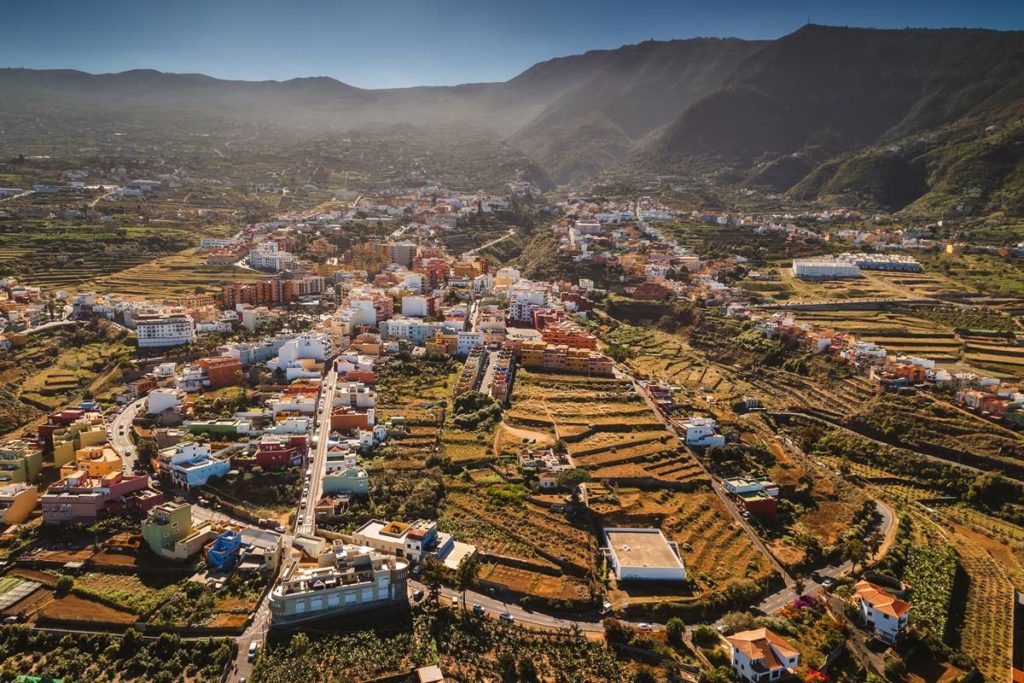
Nueva Canarias-BC Joins Opposition to Proposed Los Realejos Power Plant
Nueva Canarias-Bloque Canarista has joined local residents in opposing a proposed power plant in Los Realejos, arguing that the project relies on outdated fossil fuel technology and should be replaced by modern grid storage solutions.
Opposition to the power plant planned by DISA in La Cruz Santa, Los Realejos, has intensified following a public statement from the political party Nueva Canarias-Bloque Canarista (NC-BC). The party has joined local residents in protesting the project, citing concerns over the facility's impact on safety and the well-being of the community.
Beyond the specific location, the debate centers on whether the project’s energy model is still relevant. Jesús Arvelo Hermida, the party's island secretary for Energy Transition, argues that relying on fossil fuels is outdated given recent changes to national regulations. He points to Royal Decree-Law 18/2026, which now recognizes battery storage as a viable way to ensure grid stability—a role previously reserved for thermal power plants.
This stance mirrors arguments made by the group Salto a la Transición Ecológica, which questions the technical necessity of expanding thermal power on the island. The group contends that Tenerife’s electrical issues are caused by poor network management and inadequate response protocols, rather than a lack of power generation. Consequently, NC-BC argues that building new diesel or gas plants is anachronistic and undermines the region’s decarbonization goals.
The party is calling on the Government of the Canary Islands and the Cabildo of Tenerife to review current plans. They are urging authorities to prioritize modernizing transmission networks and investing in storage systems instead of continuing to build infrastructure that critics believe is already obsolete. Furthermore, NC-BC is demanding greater transparency and public consultation, insisting that officials explore less intrusive alternatives before moving forward with projects that may be outdated by the time they are operational.