
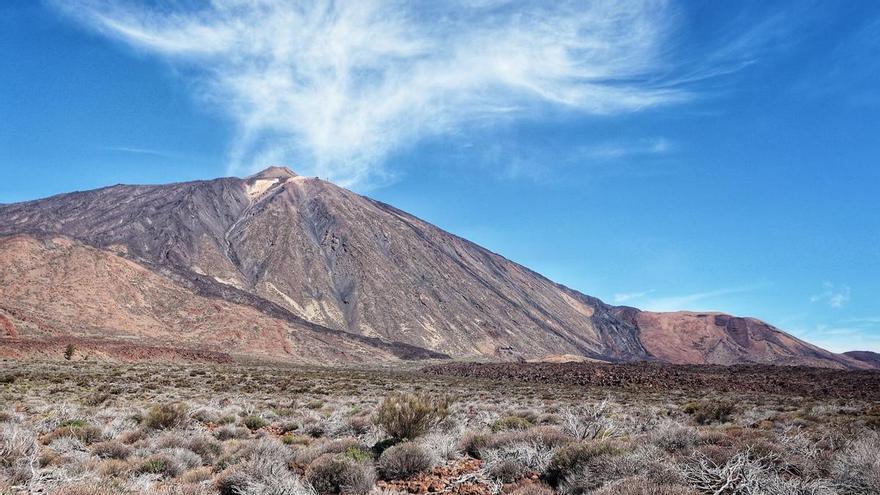
New Study Reveals Hidden Biodiversity in Teide National Park
A new University of La Laguna study has identified 80 previously unrecorded invertebrate species in Teide National Park, revealing significant shifts in wildlife distribution and providing a vital update to the park's biodiversity census.
Teide National Park’s biodiversity is more diverse than previously thought, thanks to a new study by the University of La Laguna (ULL) that updates the park’s invertebrate records. Published in the Biodiversity Data Journal and led by researcher Daniel Suárez Ramos, the study identified 615 different groups of invertebrates. Of these, 80 are new to the park, including 14 species never before recorded in the Canary Islands and eight new to Tenerife.
This project, conducted between 2024 and 2025, provides a vital update to a database that had not been revised since the mid-1990s. The research expands the park's known census—which previously included 1,296 species, 41.5% of which are unique to the area—and introduces a standardized way to track the park's health. By using the COBRA protocol and passive sampling in the Las Cañadas Caldera, researchers can now better measure how wildlife copes with the park’s harsh conditions, such as intense radiation, extreme temperature swings, and dry soil.
The study also uncovered a significant ecological trend: certain beetles and spiders are moving to higher altitudes than usual. While their numbers remain low, this shift suggests that animal distribution patterns are changing. This aligns with other recent ULL research warning that biological communities are becoming more uniform and less diverse, likely due to changes in rainfall, temperature, and vegetation.
The team focused heavily on flies and mosquitoes, groups that had been largely overlooked in the park’s higher elevations in the past. This new methodology acts as an essential tool for monitoring the environment. By comparing these findings with data from 30 years ago, scientists can now better understand how species are adapting to global environmental changes in one of Spain’s most unique natural landscapes.