
New Study Reveals Forgotten WWII Air Raid Shelter Plans for San Cristóbal de La Laguna
A new study by Luana Studer Villazán uncovers historical plans for a network of never-built air raid shelters designed to protect San Cristóbal de La Laguna during the Second World War.
A new study on the defensive planning of San Cristóbal de La Laguna during the Second World War has revealed a previously unknown chapter of the city's history. The research, authored by Luana Studer Villazán, examines a 1940 technical report detailing a network of civil protection shelters that were planned to protect citizens from potential air raids but were never actually built.
The study centers on a document discovered by chance in the mid-nineties during an administrative reorganization. Luis González Duque, then-head of the Municipal Historical Archive, recognized the document's historical importance and ensured its preservation. Titled Anti-aircraft Shelters of La Laguna: Civil Passive Anti-aircraft Defense of La Laguna during the Second World War, the book explains how the global conflict of 1940 influenced local government in the Canary Islands, a region with significant strategic importance in the Atlantic.
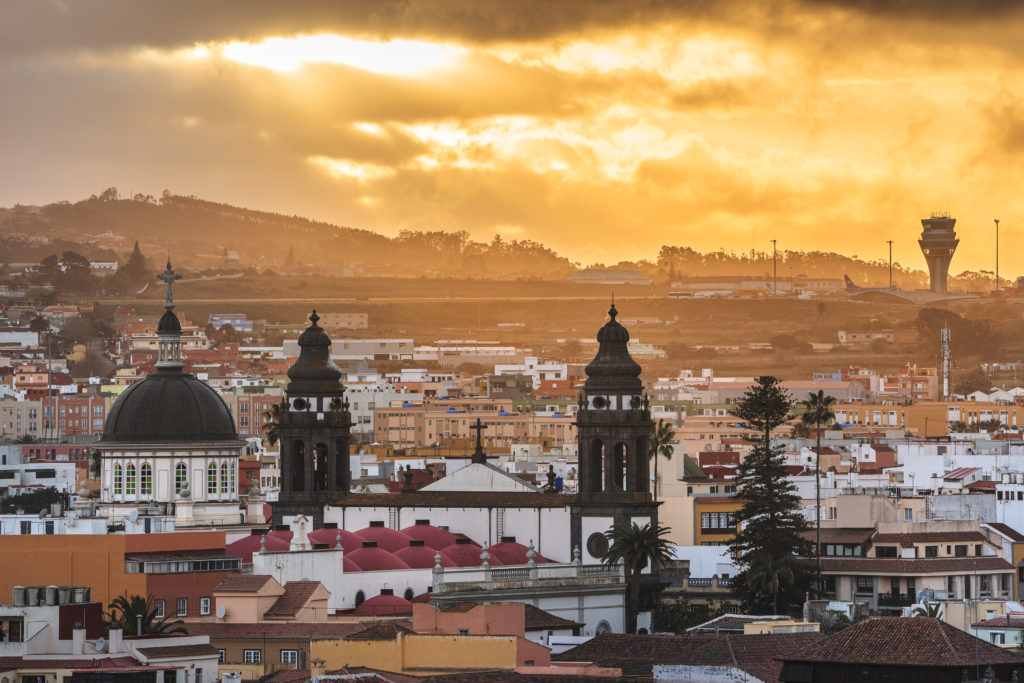
The original project, created by the Passive Anti-aircraft Defense Board, proposed turning key areas of the historic center—including the Cathedral, the Church of La Concepción, the Plaza del Adelantado, and Viana and El Remojo streets—into safe zones. These plans highlight the concerns of local authorities at the time, who felt it necessary to prepare for potential threats despite Spain’s official neutrality.
The research was produced in collaboration with the Department of Cultural Heritage and the organization Taro, Somos Patrimonio. It will be officially presented on October 20 at 6:00 p.m. at Casa Anchieta, featuring the author and contemporary history expert Ricardo Guerra Palmero. Adolfo Cordobés, the Councilor for Cultural Heritage, noted that the book not only recovers a forgotten piece of local memory but also provides insight into how the city managed the pressures of a global crisis long before it was named a UNESCO World Heritage site.