
New Research Reveals Tenerife Hermitage Served as Refuge for Inquisition-Era Conversos
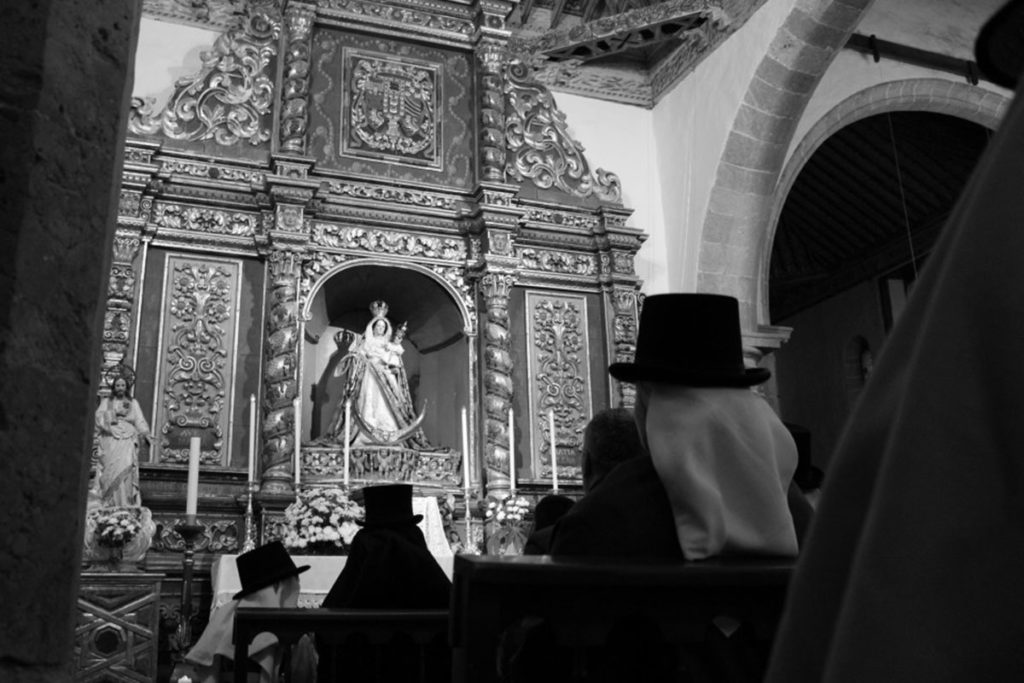
New research from the University of La Laguna reveals that the Nuestra Señora de la Concepción de Tijoco hermitage in Tenerife served as a strategic refuge for Jewish-origin families fleeing the Spanish Inquisition.
New research from the University of La Laguna is shedding light on the hidden history of southern Tenerife. In their study, Veiled Genealogies, José Antonio González Marrero and Carmen Rosa Escobar Suárez reveal that the hermitage of Nuestra Señora de la Concepción de Tijoco in Adeje was once a strategic refuge for "New Christian" families fleeing persecution by the Inquisition.
By examining notarial records and archives from El Museo Canario, the researchers reconstructed the lives of Antonio de Castro and Leonor Sánchez Falcón. They discovered that the couple owned the Tijoco sugar mill, a facility that was already running by 1520. Records suggest the site was originally developed by Juan Benítez, a nephew of the explorer Alonso Fernández de Lugo, on land known as Lomo de Ymay—a name the authors believe has indigenous roots.
The significance of this discovery lies in the background of the owners. The Castro and Sánchez families were part of a network of Jewish-origin conversos who had fled the Spanish Peninsula. To protect their status and assets, they relied on marriages within their own community and careful financial management. Antonio’s father, Bartolomé de Castro, perfectly illustrates the risks they faced: despite holding public office in Garachico and La Laguna, he was investigated by the Inquisition for practicing Judaism, forcing the family to maintain a strict facade of Catholic faith.
The study highlights how these families protected one another during the height of the Inquisition’s power between 1528 and 1529. When Leonor and Antonio married in 1549, their dowry of one thousand gold doblas—which included property in La Laguna and enslaved people—served as more than just a transfer of wealth; it was a way to consolidate their influence. The later management of the estate by their heirs confirms that the Tijoco mill was the economic foundation that allowed this lineage to thrive for decades.
Ultimately, the Tijoco hermitage is more than just an old building; it is a symbol of a community that built a survival network under the constant threat of persecution. This research reframes the site as a vital meeting point where the history of the sugar trade and the legacy of the conversos are deeply connected.