
New Ornithological Guide Highlights Biodiversity Crisis in Canary Islands
A new, comprehensive ornithological guide aims to promote the conservation of the Canary Islands' unique bird species by making ecological data accessible to the public amidst growing threats from human activity.
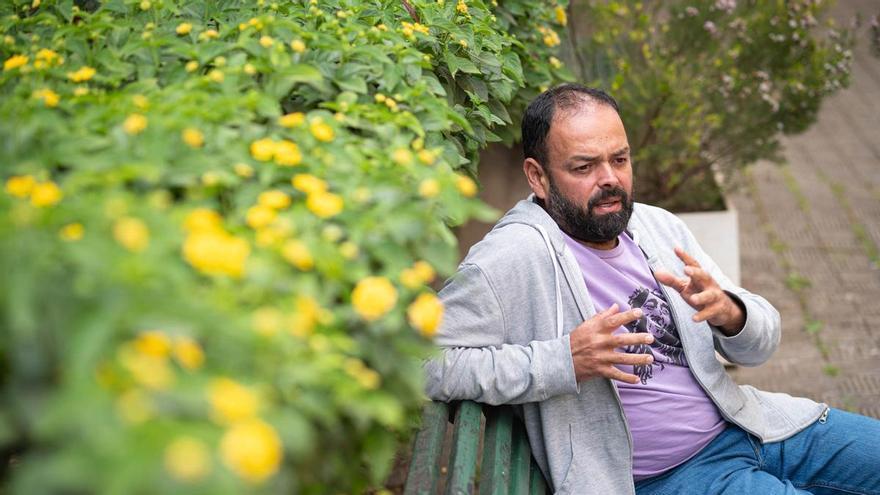
While the Canary Islands are best known for mass tourism, a new ornithological guide is helping to shine a light on the region's remarkable, yet often overlooked, biodiversity. In a recent interview, co-author Airam’s brother explained that the goal of the book is to make local wildlife knowledge accessible to everyone. By avoiding overly technical jargon, the manual focuses on ecology and conservation, filling a significant gap in public information.
The guide is a massive undertaking, featuring over 800 images contributed by 54 photographers. Unlike standard identification books, this volume provides a deep dive into the lives of the birds—covering everything from their diets and breeding habits to their taxonomy. This is vital, as the Canary Islands serve as a unique natural laboratory: they are home to nine endemic species and nearly 40 subspecies, and act as a crucial stopover for roughly 300 migratory birds.
However, the authors warn that many of these species are in trouble. Human activity, including habitat loss, light pollution, and the introduction of invasive species like cats and rats, has caused populations to plummet. Iconic birds such as the Canary Islands houbara, the Fuerteventura stonechat, and the trumpeter finch are under severe pressure, while the osprey is nearly extinct as a breeding species in the archipelago.
To combat these threats, ongoing fieldwork is essential. Experts are currently conducting genetic studies on the Barbary falcon and monitoring birds of prey to better understand how these populations can survive. Looking ahead, the authors plan to release a similar guide dedicated to Canarian reptiles, which play a vital role in pollination and seed dispersal but remain poorly understood by the public. This project highlights a dedicated community of experts working to protect the islands' natural heritage, which remains fragile despite its incredible uniqueness.