
New La Laguna Footbridge Criticized for Failing Accessibility Standards
The newly opened Padre Anchieta footbridge in La Laguna faces criticism from accessibility advocates who claim its design features steep inclines and poor navigation markers that violate universal accessibility standards.
The recent opening of the Padre Anchieta footbridge in La Laguna has exposed a major disconnect between accessibility laws and the reality of the new structure. The association Queremos Movernos (We Want to Move) conducted a field test and found that the bridge’s design creates significant barriers, preventing people with reduced mobility or sensory disabilities from using it independently. This contradicts the universal accessibility standards required for projects funded by the Cabildo of Tenerife.
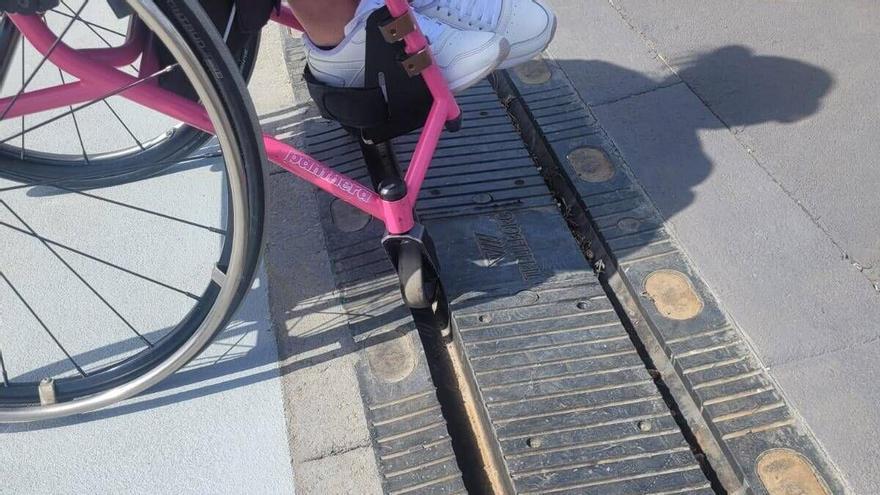
The group’s analysis, which involved testing the bridge with wheelchairs, crutches, and walkers, found that the ramp inclines and landing areas are unsafe. The design of the resting areas appears to prioritize aesthetics over stability, making it difficult for wheelchair users to navigate, especially in bad weather. Additionally, the lack of proper tactile paving and clear vertical markers makes the bridge nearly impossible to navigate for those who are blind or deaf-blind, as their canes cannot easily find the necessary support.
A major point of concern is the "Geneto spiral," which the association describes as impassable. The steep slope and layout make it inaccessible even for those with high physical mobility, effectively isolating local residents. This is particularly troubling given that the project was certified by Sinpromi, the island’s agency for inclusion.
This situation has reignited the debate over how public works are monitored. Under Spanish law, all public spaces must be usable and accessible to everyone. Queremos Movernos is now calling on the Cabildo and the La Laguna City Council to fix these design flaws immediately. Their message is clear: the bridge must be adapted so that it serves the entire community rather than excluding those it was meant to help.