
New Heritage Center Opens Near Tenerife’s Millenary Dragon Tree
Icod de los Vinos has opened a new interpretation center near the Millenary Dragon Tree to educate visitors on the history, funerary rites, and daily lives of Tenerife’s indigenous Guanche people.
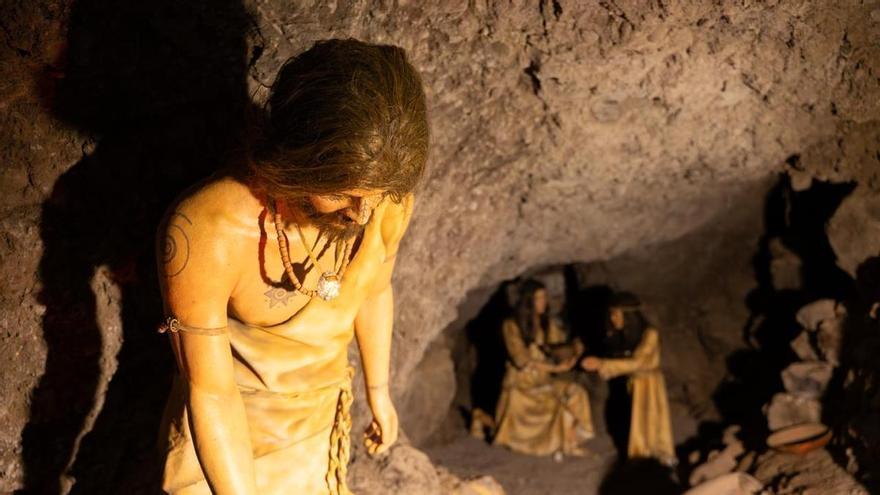
Icod de los Vinos has expanded its heritage offerings near the famous Millenary Dragon Tree with the opening of a new center dedicated to the island’s pre-Hispanic history. Announced by the local Tourism department and the municipal company Icodtesa, the project—led by councilman Gerardo Rizo—aims to integrate the history of the ancient Menceyato of Ycoden into the local visitor circuit, offering an educational look at the lives and customs of the island's aboriginal people.
The center uses exhibits to show how the Guanches adapted to Tenerife’s volcanic landscape, specifically how they used natural caves in ravines and cliffs as homes. Beyond daily life, the space explores the Guanche worldview, with a particular focus on their funerary rites. The exhibition explains how they preserved bodies using local organic materials like resins and skins, highlighting the complexity of their beliefs regarding the afterlife.
To further enhance the visitor experience, the center screens an audiovisual piece titled "Icod de los Vinos, Guanche Territory." Created by local author Carlos Rodríguez, the film examines how the ancient inhabitants shaped the municipality we see today. This initiative adds depth to the Dragon Tree Park, reinforcing the significance of the 800-year-old tree, which the Guanches considered a sacred symbol of protection and strength.
The launch of this interpretation center is part of a wider trend across the Canary Islands to better manage archaeological heritage by turning natural sites into educational hubs. By placing the history of the Menceyato of Ycoden within the Dragon Tree Park, the municipality is not only offering more for tourists to see but is also strengthening the connection between its botanical legacy and the identity of Tenerife’s first inhabitants.