
New Documentary Reclaims the Legacy of Spanish Author Carmen Laforet
Isabel Fernández’s new documentary, Por qué no escribo nada, explores the enigmatic life and literary legacy of post-war Spanish author Carmen Laforet through previously unpublished archives and personal correspondence.
Carmen Laforet, a pillar of post-war Spanish literature, is being brought back into the spotlight through a new documentary that aims to reclaim her voice from the shadows of her own fame.
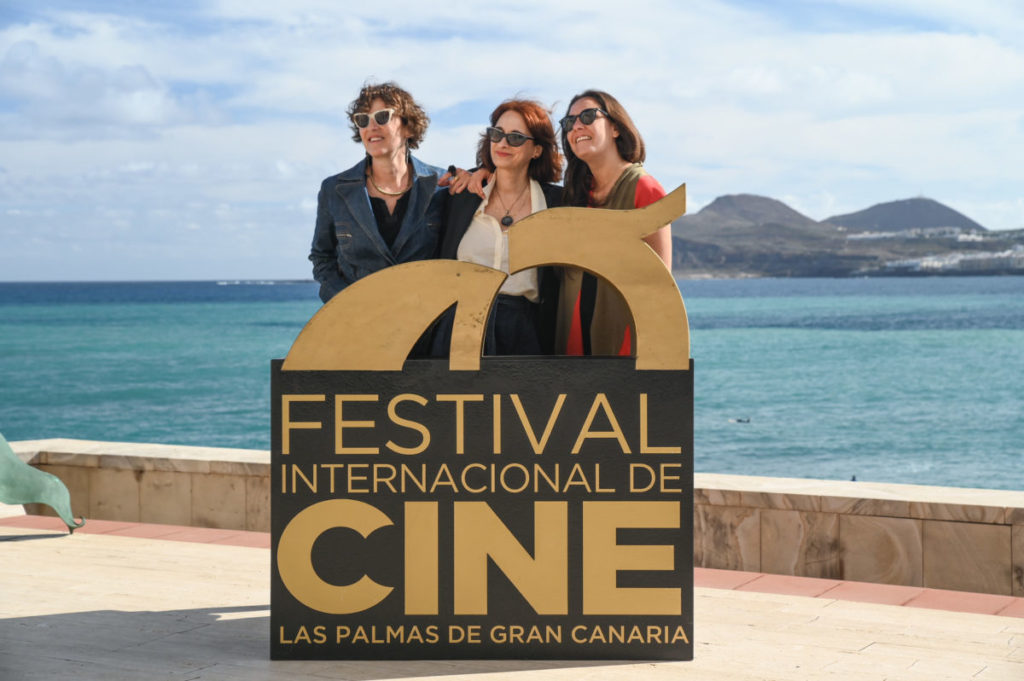
Following its debut at the 25th Las Palmas de Gran Canaria International Film Festival, filmmaker Isabel Fernández presented Por qué no escribo nada (Why I Write Nothing). Set for commercial release in November 2026, the film moves beyond a standard biography. Instead, it acts as an audiovisual puzzle, exploring the mind of an author who famously retreated from public life after her explosive literary debut.
The documentary is built on extensive research, utilizing private archives, national film libraries, and family records held at the National Library. Complemented by a unique soundscape from composer Belén Álvarez Doreste, the film reconstructs the identity of a woman whose personal story was often overshadowed by the media frenzy that followed her win of the inaugural Nadal Prize.
The film highlights Laforet’s deep connection to Gran Canaria, where she lived from age two to eighteen. This period shaped her identity and influenced her writing, most notably in La isla y los demonios (The Island and the Demons). Fernández captures how Laforet—who once described herself as a "wandering writer"—remained dedicated to her craft, exploring the human condition in later works like La mujer nueva (The New Woman) and La insolación (Sunstroke).
More than just a timeline of events, the documentary gives Laforet control over her own narrative. By using previously unpublished letters to friends like Lola de la Fe and Ricardo Lezcano, Fernández reveals the true artist behind the public figure. The film serves as an act of historical justice, honoring the first woman to break the male-dominated literary scene in post-Civil War Spain and offering viewers an intimate look at one of literature’s most enigmatic figures.