
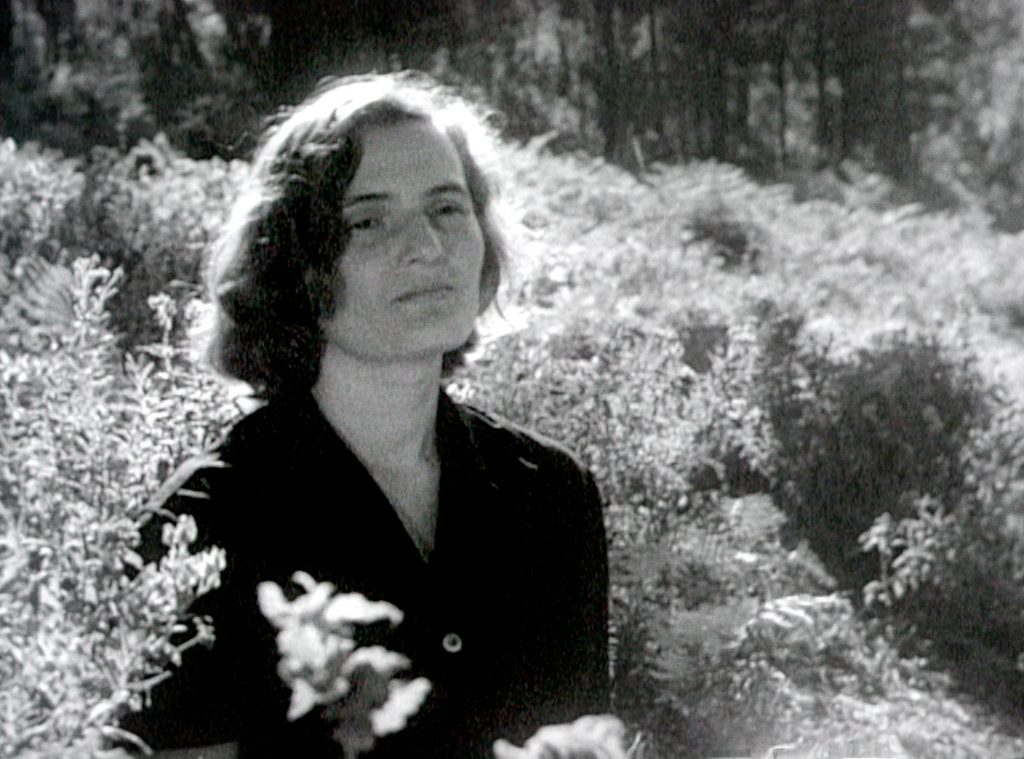
New Documentary Challenges Myths Surrounding Author Carmen Laforet
The new documentary Por qué no escribo nada re-examines the life and legacy of author Carmen Laforet, challenging the narrative that she ceased writing while highlighting her struggle for independence in post-war Spain.
Carmen Laforet, who transformed post-war Spanish literature with her debut novel Nada, is back in the spotlight with the new documentary Por qué no escribo nada (Why I Write Nothing). Directed by Isabel Fernández, the film challenges the long-held belief that the author simply stopped writing. Instead, it offers a fresh look at her life, contrasting the public narrative with the reality of a woman who fought to maintain her independence in a restrictive era.
Produced by Al Pati Produccions and Imaco 89, the documentary relies on primary sources, including personal letters and previously unpublished writings. Actress Mónica López voices Laforet, guiding viewers through her formative years in Gran Canaria. The island—featured through locations like Maspalomas, Agaete, and Roque Nublo—is portrayed not just as a setting, but as a key influence on her creative development.
The film has already earned significant praise, winning Best Soundtrack at the BCN Film Festival for the work of Canarian artist Belén A. Doreste (Lajalada), the Cinerama Canarias Award for the director, and audience recognition at the Reus festival.
The documentary will be shown at Multicines Tenerife in La Laguna until Thursday, September 26. This Friday’s 7:00 p.m. screening will be followed by a discussion moderated by Manuel Díaz Noda, featuring Paula Fernández, Alberto García, and Alle Coello from the University of La Laguna. From Saturday through the end of the run, screenings will take place at 5:30 p.m., with tickets available online.
By incorporating historical footage from the Filmoteca Canaria, the documentary provides a clear picture of the challenges women faced in Spain at the time. Ultimately, the film serves as an act of historical recovery, honoring Laforet’s legacy and highlighting the personal sacrifices she made to protect her creative freedom.