
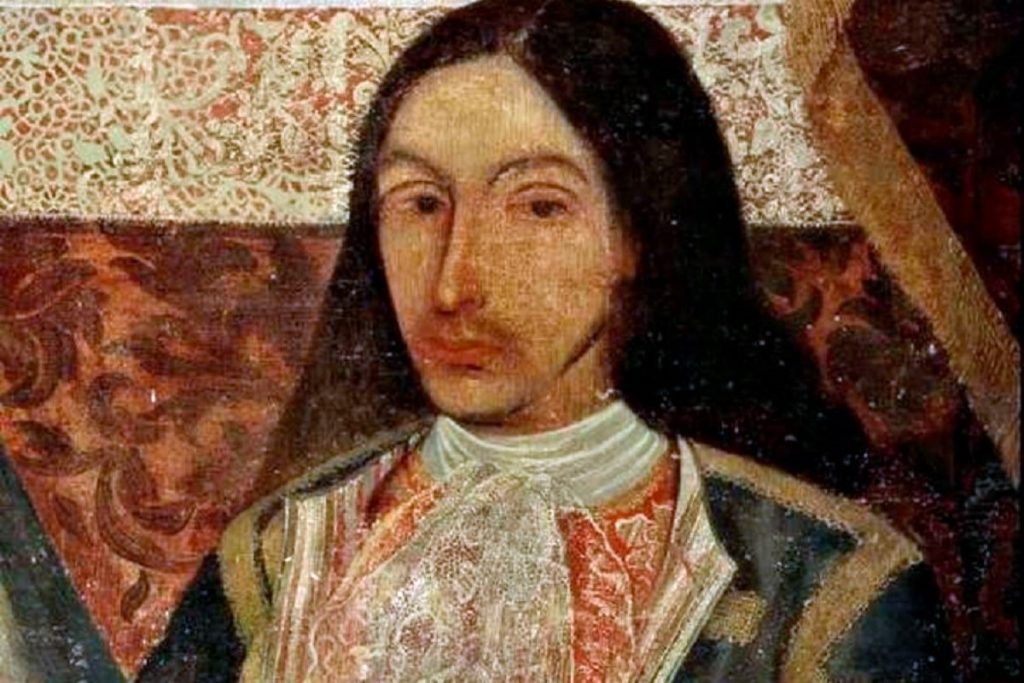
New Book Sheds Fresh Light on Life of Legendary Corsair Amaro Pargo
A new book titled Amaro Pargo: Everything We Know About the Corsair will be presented this Thursday in La Laguna, offering a comprehensive historical analysis of the 18th-century privateer's life and his impact on Canarian society.
The life of Amaro Rodríguez Felipe, better known as the 18th-century privateer Amaro Pargo, is back in the spotlight with the release of a new book. Titled Amaro Pargo: Everything We Know About the Corsair, the work will be presented this Thursday, November 26, at 7:00 p.m. at the Sala San Borondón in La Laguna. The event is part of the "Everything About the Canary Islands" series, supported by the La Laguna City Council and the Center for Popular Canarian Culture.
Written by researchers Manuel de Paz Sánchez, Daniel García Pulido, and Francisco Braian Cabrera Alonso, the book is the result of over a decade of research. It goes beyond a simple biography, placing Pargo’s life within the broader context of the Canary Islands' strategic role in Atlantic trade during the Modern Age. The research draws on significant academic work, including Cabrera Alonso’s doctoral thesis on the corsair’s activities in the Caribbean.
The book explores more than just Pargo’s military and commercial career—which saw him operating under the protection of King Philip V to combat smuggling and piracy. The authors also examine his role as a local benefactor, detailing how he reinvested his wealth into religious and charitable organizations, such as the Foundling Hospital and the Convent of Santo Domingo. This highlights the deep connections between maritime trade and the social and spiritual life of the Canary Islands at the time.
The study also sheds light on other members of Pargo’s family, including his brother, José Rodríguez Felipe, and his nephew, Amaro José González de Mesa. The latter, a University of Salamanca graduate, is portrayed as a prime example of the era’s intellectual businessmen, who managed family interests while navigating complex transoceanic trade routes.
This publication is part of a wider effort to preserve the history of Canarian port cities, which were vital to the Spanish Empire’s trade and defense in the early 1700s. By relying on primary sources, the authors provide a fresh look at a period defined by Atlantic instability and the constant search for opportunity amidst conflict.