
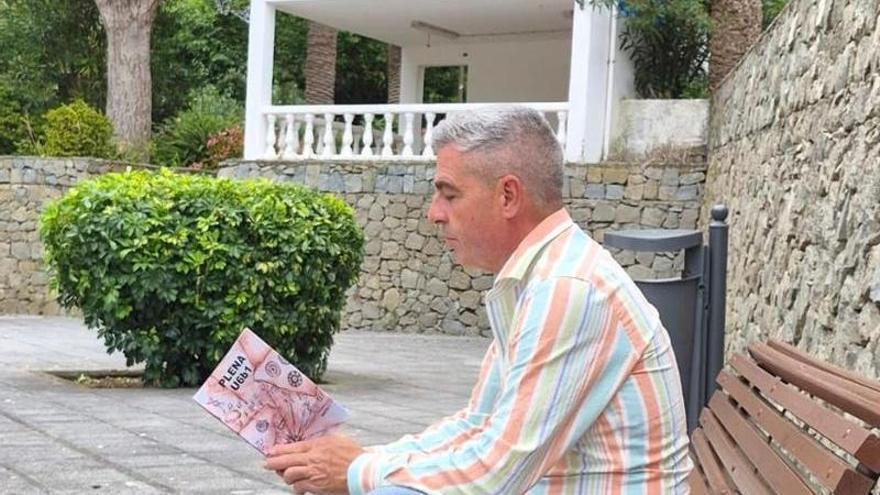
New Book Explores Genetic and Rhythmic Links Between Canary Islands and Puerto Rico
In his new book Plena U6b1, Jesús Alejandro Arrocha González explores the deep genetic and rhythmic connections between the Canary Islands and Puerto Rico, tracing the transatlantic influence of Canarian heritage on Caribbean culture.
In his new book, Plena U6b1, Jesús Alejandro Arrocha González presents a compelling theory about the deep historical and rhythmic connections between the Canary Islands and Puerto Rico. Arrocha, a metallurgy and welding specialist with a career spanning Cádiz, Córdoba, and Tenerife, moves beyond traditional ethnography to explore the genetic and musical ties that link these two Atlantic regions.
The research began with a personal realization while Arrocha was in Tenerife’s Anaga mountains. After listening closely to Puerto Rican plena—a genre brought to global prominence by artists like Bad Bunny—he noticed percussive patterns that mirror the traditional music of the Canary Islands, specifically the use of the pandero (frame drum). He suggests that when Canarians migrated to the Caribbean to work in the sugar industry, they brought more than just farming techniques; they carried a rhythmic foundation that remains a vital part of Puerto Rican folklore today.
The book also explores a biological connection through the U6b1 genetic marker. Arrocha links this lineage to the indigenous Canarian people who may have joined Juan Ponce de León’s 16th-century expeditions, suggesting that a biological footprint traveled alongside these early settlers. By blending anthropology with personal history, Arrocha hopes to inspire younger generations of Canarians to reconnect with their heritage.
Beyond music and history, the book addresses modern environmental concerns. As a resident of Chamorga, Arrocha warns that the Anaga region is increasingly threatened by tourism and the loss of traditional ways of life. He uses his work to call for the protection of both natural and cultural heritage, framing his research as an ongoing project open to further study. Ultimately, Plena U6b1 encourages readers to see the Canary Islands not as an isolated territory, but as a key player in a transatlantic network whose history still resonates in modern Caribbean culture.