
New Book Documents Puerto de la Cruz’s History as an LGBTQ+ Sanctuary
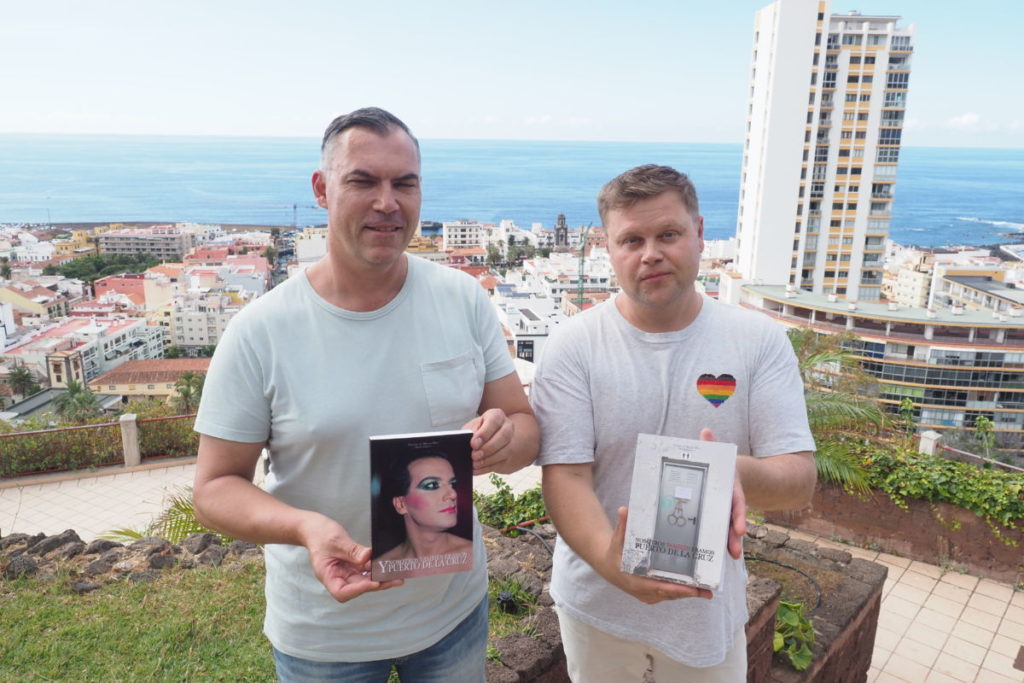
Authors Francisco Javier Alberto Díaz and Denis Solovev will debut their new book, Y nosotros también éramos Puerto de la Cruz, on June 28 to document the history and personal struggles of the LGBTQ+ community in Tenerife during the 1990s.
The history of Spain’s LGBTQ+ community has a new cornerstone: Y nosotros también éramos Puerto de la Cruz ("And we were also Puerto de la Cruz"). According to local reports, the book documents the social transformation of this Tenerife town during the 1990s. Authors Francisco Javier Alberto Díaz and journalist Denis Solovev will present the work at the town's Sala Andrómeda on June 28, coinciding with International Pride Day.
More than just a look back at the local nightlife, the book serves as an anthropological study. The authors began the project during the lockdown, collecting stories from people who lived in a city that acted as a secret sanctuary. At the time, Puerto de la Cruz was a refuge where people could express their sexual identity away from public judgment, though they still faced the constant pressure of living a double life due to social stigma and a lack of legal protections.
This volume, a sequel to a previous work, shifts its focus toward intimate personal stories. Through interviews conducted largely online, the authors documented the lives of business owners, drag artists, and everyday people who made up the community at the time. The book does not shy away from the darker realities of that era, including the HIV epidemic, the systemic exclusion that forced many transgender people into sex work, and the challenges of living alongside a society that was not always accepting.
The book is particularly important for younger generations. Alberto Díaz and Solovev argue that visibility remains a challenge, even within the LGBTQ+ community, where prejudices from an era of forced secrecy still linger. By recording these experiences, the authors are preserving a legacy that risked being lost as its protagonists aged or passed away. At a time when democratic memory and diversity are central to public debate, this book is a vital tool for understanding how, just thirty years ago, public spaces in the Canary Islands were the only refuge for thousands of people.