
New "Black Flags" Report Highlights Environmental Crisis Across Canary Islands
The latest "Black Flags" report from Ben Magec-Ecologists in Action warns that unsustainable urban development, overtourism, and industrial pollution are severely threatening the Canary Islands' coastal ecosystems.
The latest "Black Flags" report from the Ben Magec-Ecologists in Action federation has once again raised concerns about the Canary Islands' current development model. The report identifies coastal areas suffering from poor management or severe environmental damage, with Tenerife at the center of the crisis, accounting for half of the "black flags" issued across the islands.
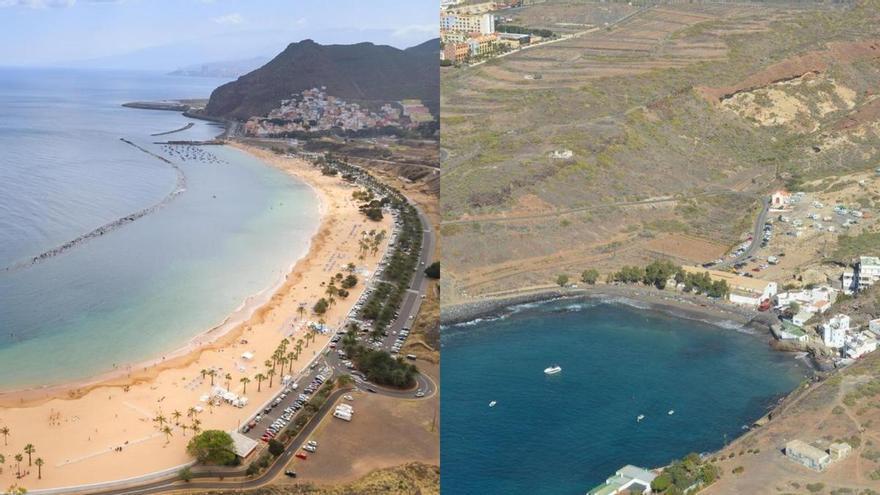
The organization points to two ongoing conflicts in Tenerife: the neglected state of the Las Teresitas coastline and the restart of construction at the Cuna del Alma project in Adeje. According to the federation, these cases reflect a failure by authorities to curb urban development, which experts warn is threatening local ecosystems.
The report also highlights issues in Gran Canaria and Lanzarote. In Gran Canaria, the "black flag" was awarded due to pollution from industrial fish farms. The report links this to fish deaths in 2025, which forced the temporary closure of beaches like Melenara and Salinetas—a problem local groups have been highlighting since the late 1990s.
Lanzarote was flagged for poor management caused by overtourism. The island expects 700,000 cruise passengers this year, a figure the organization calls unsustainable. They argue that this volume of visitors exceeds the capacity of the capital, Arrecife, and puts too much strain on infrastructure and protected areas, particularly Timanfaya National Park.
Despite these findings, the report notes some environmental victories. The cancellation of the "Underwater Gardens" project is seen as a major win for conservationists. Additionally, while water quality at Playa Jardín in Puerto de la Cruz has improved since its reopening last year, groups like the Stop Vertidos Platform remain cautious. They warn that the islands' sewage and wastewater systems still require significant investment and reform to ensure the long-term health of the coastline.