
New Archaeological Discoveries in Tenerife Reveal Sophisticated Ancient Society
New archaeological findings at the Los Llanos de Ifara site in Tenerife reveal that the island's ancient inhabitants maintained a sophisticated, agriculture-based society with permanent settlements that persisted well beyond the 15th-century conquest.
Archaeology in the Canary Islands is undergoing a major shift following new discoveries at the Los Llanos de Ifara site in Granadilla de Abona, Tenerife. Research led by Efraín Marrero and his team is challenging the long-held belief that the island’s ancient inhabitants lived only as nomadic herders in caves. Instead, the findings reveal a sophisticated society with permanent surface settlements and a well-established agricultural economy.
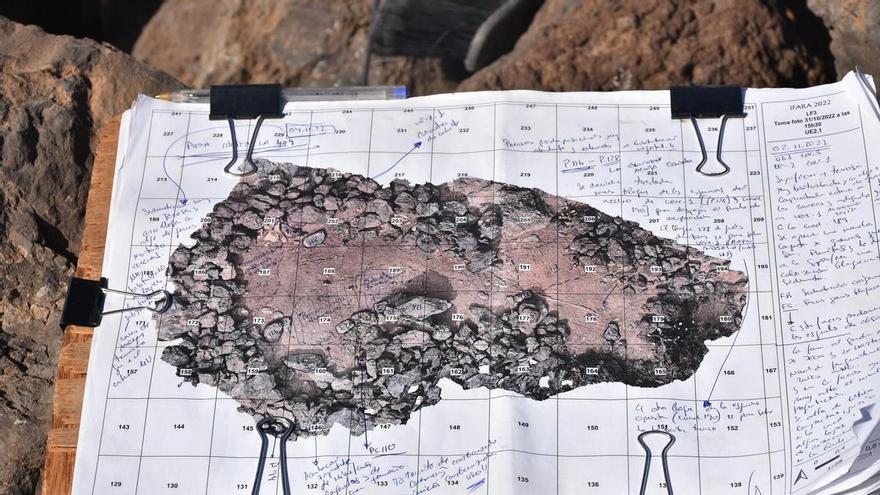
The study of the Ifara and Los Riscos area has uncovered 17 residential structures built from dry stone. Unlike previous theories that separated living spaces from caves, this site shows that huts, burial caves, and rock art sites were all integrated into one community. A standout feature is the "Casa del Samarín," which contains 21 panels of geometric carvings, suggesting it served as a tagoro, or communal meeting place.
The discovery also highlights the importance of farming. Researchers found a quarry-workshop used to manufacture rotary mills—the first of its kind discovered outside the Las Cañadas del Teide area. With 13 grinding tools found in various stages of production, it is clear that cereal farming was a central part of their economy, not a minor activity. Additionally, the evidence shows that livestock management was more advanced than previously thought, involving both controlled herds and free-roaming animals.
Analysis of items like obsidian, pottery, and remains of mocán fruit provides a clearer picture of daily life. Perhaps most significantly, the excavation suggests that these traditional ways of life persisted well into the 16th century, long after the 15th-century conquest, pointing to a period of cultural resilience.
In light of these findings, researchers are calling for better heritage protection. They propose expanding the site’s status as a Property of Cultural Interest (BIC) to cover the entire area and creating paths for public education that do not damage the ruins. Having finished preserving the rock carvings in 2024, the team is now analyzing the soil and layers of the earth to better understand how this complex, highly organized society functioned within the island’s landscape.