
Neglected Tenerife Hamlet Highlights Rural Abandonment Crisis
The historic hamlet of Fuente Nueva in Arico, Tenerife, faces potential abandonment as its few remaining residents struggle with a lack of basic infrastructure and municipal support.
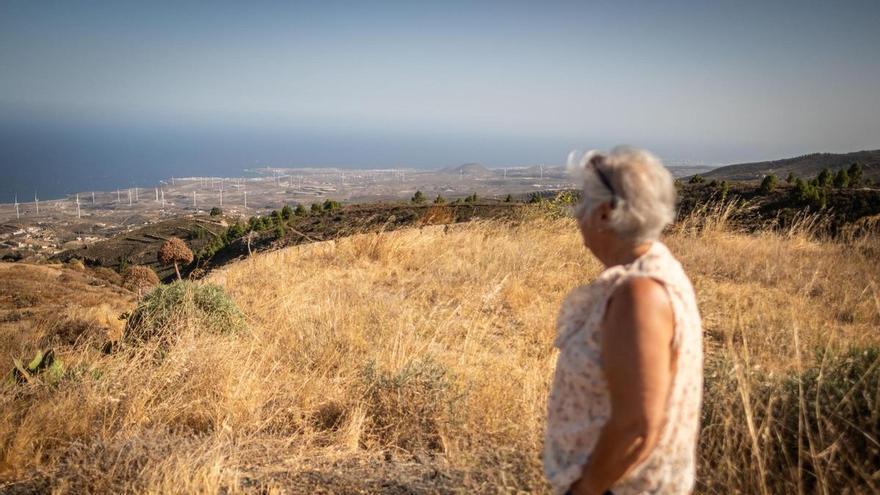
Administrative neglect in rural Tenerife has reignited the debate over "emptied Spain," with the hamlet of Fuente Nueva in Arico serving as a stark example. According to a recent report by Diario de Avisos, this mid-altitude village, which borders Fasnia, is struggling to survive despite its significant cultural and historical value.
The situation is critical. The ten permanent residents living there currently lack basic electricity, a reliable water supply, and waste collection services. This lack of infrastructure—especially when compared to nearby towns just across the ravine—has led to a steady decline in the population. Once home to nearly 400 people in the 1940s, the area has seen its agricultural roots replaced by abandonment. Today, the responsibility for maintaining paths and protecting local heritage falls entirely on the residents and former inhabitants.
The case highlights a disconnect between rural needs and municipal management. While the Arico City Council owns the land, residents argue that local officials have historically ignored their needs. This institutional apathy has forced property owners to take on tasks that should be the council’s responsibility, such as cleaning public areas and repairing access roads—one of which took fourteen years to finish.
Fuente Nueva is rich in vernacular history, featuring traditional ovens, threshing floors, caves, and ancient paths that are now at risk of disappearing. Local advocates like María Jesús Flores Pérez and Yoli García González are working hard to preserve this family legacy and historical memory. However, without a clear revitalization strategy from local authorities or a new generation to take over, the future of the hamlet remains uncertain. For now, the survival of Fuente Nueva depends solely on the dedication of its residents rather than any public plan to ensure the area’s long-term habitability.