
Neglected Puerto de la Cruz Historic Battery Slated for Restoration
The Puerto de la Cruz City Council is preparing a restoration project to rehabilitate the neglected 17th-century pier battery, a site officially designated as a Heritage of Cultural Interest.
The management of historical heritage in the Canary Islands is back in the spotlight following reports that the remains of the old pier battery in Puerto de la Cruz have been left to decay. As El Día recently highlighted, this site is officially recognized as a Heritage of Cultural Interest (BIC). Its current state reflects a common struggle: balancing modern urban needs with the preservation of local history—much like how the layout of Wall Street in New York still echoes the defensive walls built by 17th-century Dutch settlers.
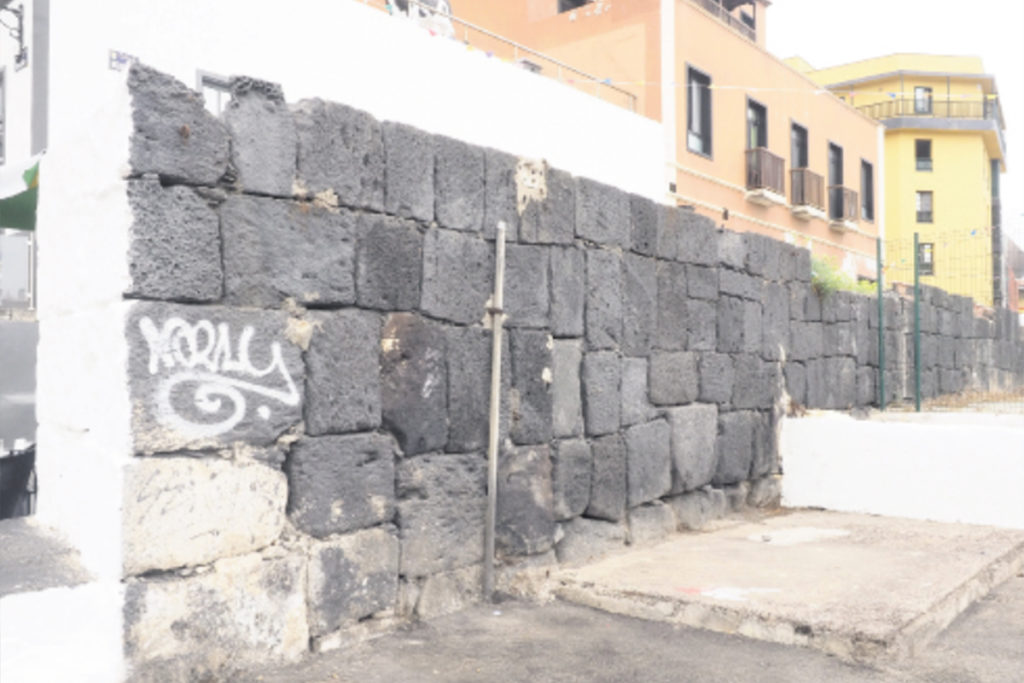
The defensive structure in Puerto de la Cruz, documented on maps as far back as 1640 and 1741, is currently in a state that contradicts its protected status. Due to a lack of maintenance, the wall has been marred by graffiti, cluttered with utility wires, and used as an advertising space for nearby businesses, with waste often piling up in the area. The site narrowly escaped destruction during port expansion projects in 2008, thanks to the intervention of Jaime Coello, but it still lacks a permanent solution.
The future of the site now rests on the approval of the Historic Complex Protection Plan (PEPCH). This plan officially recognizes the "Puerto Viejo" area as a vital historical anchorage and defensive zone, providing a clear path for its restoration. The site’s history is one of resilience, having survived 17th-century port challenges, the devastating flood of 1826, and the severe storms of 1838.
David Hernández, the Councilor for Sustainable City, has acknowledged the site's poor condition and confirmed that the City Council is preparing a restoration contract. The goal is to transform this neglected area into a valuable cultural and tourist landmark, integrating it into local heritage routes. The planned work includes removing intrusive wiring and vegetation to restore the dignity of a monument that has been overlooked by conservation efforts for far too long.