
Mobile App Autistok Enhances Autonomy for Neurodivergent Users
The Autistok app is empowering the neurodivergent community by providing personalized, privacy-focused digital tools that enhance autonomy and facilitate communication through intuitive, offline-capable features.
Mobile technology is helping to bridge accessibility gaps that once seemed impossible for the neurodivergent community to overcome. As reported by the newspaper El Día, personalized digital tools have become essential for supporting the autonomy of people with Autism Spectrum Disorder (ASD), who often find standard apps more of a barrier than a help.
The app Autistok, created by programmer Daniel Comín, is a prime example of this shift toward more accessible support. With over 8,000 downloads on platforms like Google Play and Uptodown, the app acts as a personal management system. It helps users regulate their emotions, track energy levels, and communicate using pictograms. A key feature is its design: it works offline and does not require users to share personal data, removing the technical hurdles that often discourage people with specific support needs from using digital tools.
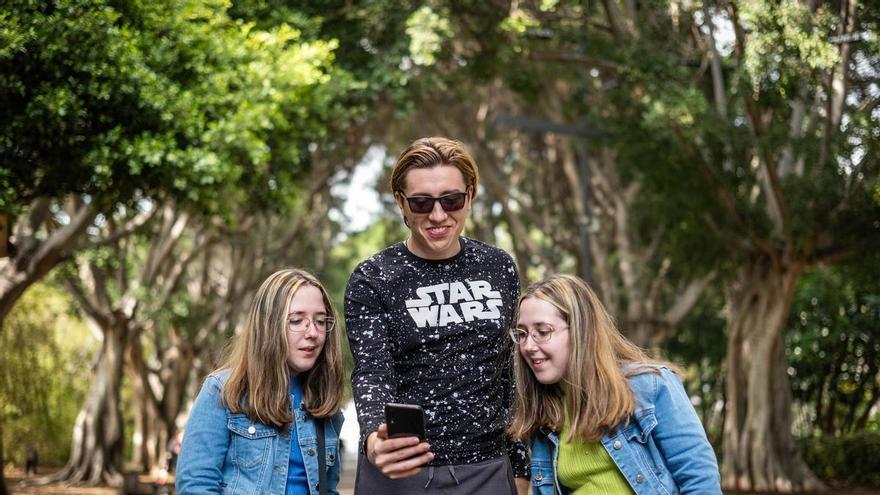
The practical benefits are clear. Users like sisters Aymara and Nayara Mendoza use the app to track anxiety and improve communication with their therapists. By logging their moods and behaviors daily, users gain better self-awareness, while health professionals receive objective data to help with patient care.
The project is now looking to expand. Comín is seeking support from the Government of the Canary Islands to bring the app to wearable devices, such as smartwatches. This would allow for the automated detection of epileptic seizures or spikes in anxiety. Plans are also underway to bring the app to iOS and add more languages, highlighting the growing need for investment in accessible technology.
The success of Autistok across the Spanish-speaking world proves a simple truth: when technology is designed based on the user's actual needs—focusing on support rather than "fixing" the individual—it becomes a powerful tool for independence and social inclusion.