
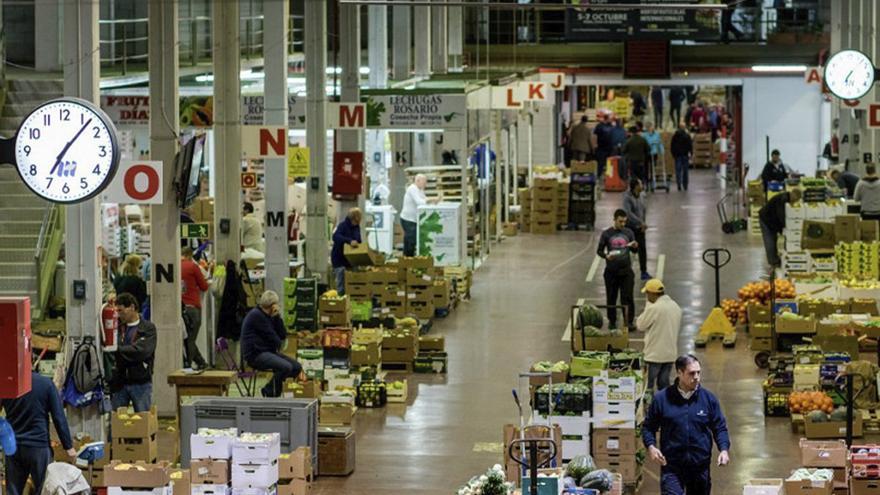
Mercatenerife Emerges as Key Driver for Local Agricultural Sustainability
Mercatenerife has become a vital economic hub for local farmers, currently facilitating the distribution of island-grown produce to ensure food security and support the sustainability of Tenerife’s agricultural sector.
Mercatenerife has become a vital pillar for the island’s agricultural sector, marking a major shift in how Tenerife approaches food security. Part of the national Mercasa network, the facility has evolved from a simple distribution center into a key driver for the economic survival of local farmers, who are currently navigating challenges like climate change and an aging workforce.
The facility’s success is largely due to its role in connecting local produce with professional markets. Today, 51% of the 36 million kilos of vegetables passing through the center are grown on the island. Most of this—90%—is handled through the Local Product Warehouse, which supports over 300 agricultural professionals.
Valentín González, president of the entity and head of the Cabildo’s Primary Sector department, emphasized the need to make it easier for farmers to sell their goods. By streamlining the registration process, producers can now begin selling their harvests in under 24 hours. This, combined with a new tariff structure planned for 2026, aims to help farmers in Tenerife’s valleys and midlands sell their products more professionally, transparently, and safely.
While being part of the national Mercasa network provides the island with greater efficiency and scale, the true value of the infrastructure is its focus on local consumption. By prioritizing island-grown food, the center significantly reduces the carbon footprint associated with long-distance transport.
In an era where sustainability is essential for business, Mercatenerife acts as a stabilizer. By providing a competitive, regulated marketplace, the institution helps protect local farmers from the volatility of mass imports. Ultimately, this business model aims to ensure that small and medium-sized farms remain profitable, securing the future of Tenerife’s rural economy and landscape.