
Mercatenerife Boosts Island's Primary Sector
Tenerife's Mercatenerife is strengthening local farming and fishing by offering an accessible wholesale market that prioritizes island-grown products and supports producers.
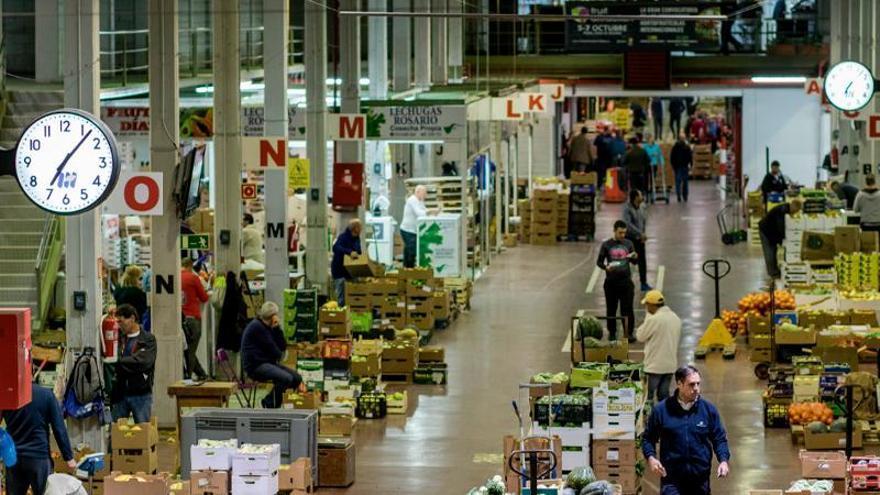
Mercatenerife's main goal is to strengthen the island's primary industries, like farming and fishing. It aims to be a vital part of the local economy by promoting products grown or made on the island. According to its president, Valentín González, Mercatenerife is designed to drive the island's development, focusing on the quality and traceability of Canarian products.
This focus is evident in the numbers for vegetable sales. Of the more than 36 million kilograms distributed annually, 51% are local products. To support this, Mercatenerife has a dedicated "Local Product Warehouse," a special area just for selling items grown or made nearby. A key priority is making it easy for producers to access this wholesale market; any producer can start selling within 24 hours, whether they have occasional surplus goods or want to sell regularly.
The fees, which have been updated for 2026, are designed to meet the varied needs of the sector. Producers can choose from a daily stall ticket at 8.25 euros, a monthly contract starting from 87.10 euros per stall (allowing daily sales), or a flexible booklet of 20 tickets for 101.50 euros. This system aims to provide small and medium-sized producers with an affordable and profitable way to sell their products wholesale.
Mercatenerife's vision goes beyond simply managing logistics. It also aims to make the primary sector an attractive career choice for younger generations. To achieve this, 406 stalls have been set aside specifically for local producers, and a professional register of over 300 farmers is maintained, ensuring a consistent and professional supply of goods.
Mercatenerife is part of the Mercasa network, which brings together 24 food distribution centers across Spain. This network is the world's largest public system of wholesale markets for fresh produce, supplying over 30 million people and employing more than 30,000 professionals. This highlights a strong commitment to local production and helps reduce the carbon footprint by making it easier to access products from nearby.