
Measles Outbreak Reported in Tenerife as Health Officials Urge Vaccination
Health authorities in Tenerife have launched contact-tracing protocols following a measles outbreak involving four confirmed cases, prompting officials to urge unvaccinated adults born after 1978 to seek immunization.
A measles outbreak in Tenerife has led to four confirmed cases and one hospitalization, serving as a reminder of how difficult it is to maintain high vaccination levels in a globalized world. According to the Canary Islands Health Service, the outbreak began after a British minor visited the island and was diagnosed with measles upon returning home.
The three other cases identified on the island involve adults aged 45 to 55. Because of their age, this group missed out on the standard immunization schedule, highlighting the vulnerability of those who never received the measles, mumps, and rubella (MMR) vaccine. Health authorities have launched contact-tracing protocols to stop the spread, which is vital given that the measles virus is highly contagious and can linger in the air for up to two hours after an infected person has left a room.
The return of measles to countries where it was once considered under control, such as the UK, is linked to a decline in public trust in vaccines. While Spain has kept measles rates low since 2000 by following World Health Organization guidelines, this success relies on keeping childhood vaccination rates above 95%. Public health officials are now urging anyone born after 1978 who has not had measles or cannot prove they were vaccinated to visit their local health center to get up to date.
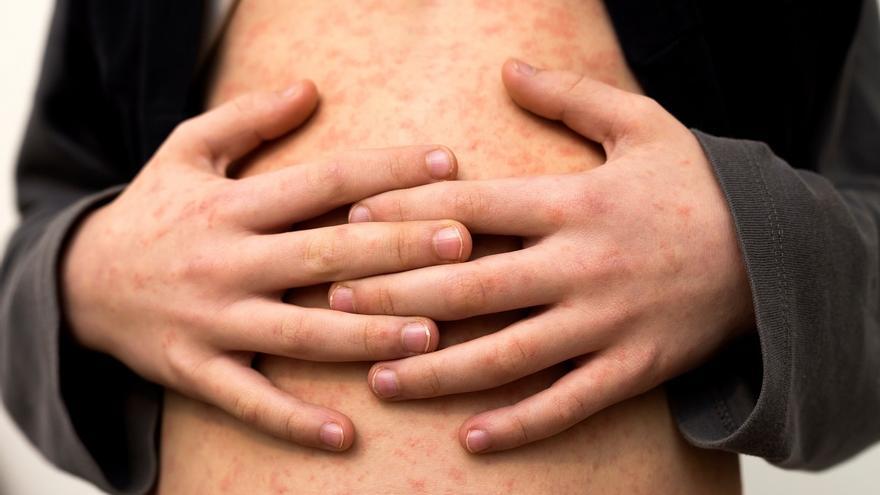
Measles typically has an incubation period of up to two weeks before symptoms like fever, cough, and a rash appear. While often mild, the disease can lead to serious complications, such as pneumonia or brain inflammation, particularly in those who are unvaccinated. The most effective way to prevent the disease after exposure is to receive the vaccine within 72 hours. Healthcare workers are being monitored closely, as they are at higher risk of exposure and could potentially spread the virus within hospital settings.