
Mar Abierto Festival Celebrates 20th Anniversary as Key Driver of Canary Islands Tourism
The Mar Abierto Festival celebrates its twentieth anniversary with a multi-island concert series featuring eleven renowned artists, reinforcing its status as a key driver for the Canary Islands' economy and cultural tourism.
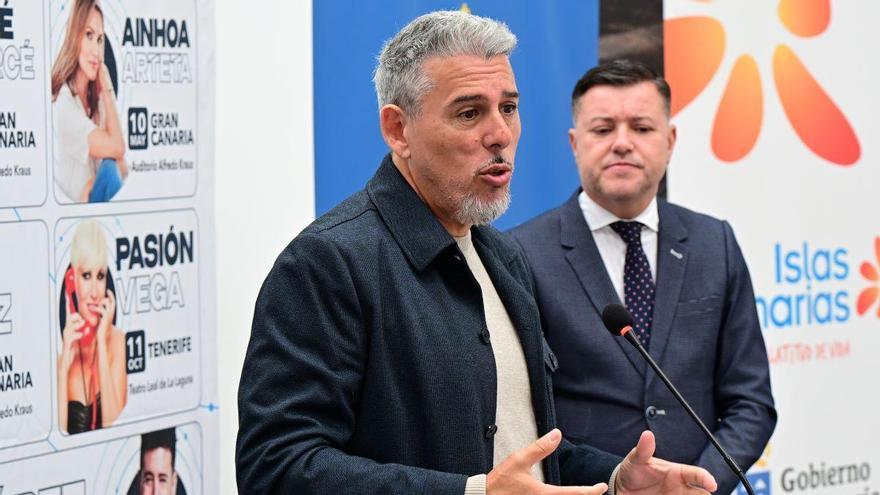
The Mar Abierto Festival celebrates its twentieth anniversary this year, marking a major milestone that highlights its vital role in the Canary Islands' cultural scene. The festival will host concerts across Gran Canaria, Fuerteventura, and Tenerife, featuring a lineup of eleven renowned national and international artists, including Luz Casal, Marta Sánchez, Pablo López, Víctor Manuel, Bebe, José Mercé, Ainhoa Arteta, Pasión Vega, Silvia Pérez Cruz, Sole Giménez, and the This is Michael show.
Beyond the music, the festival is a significant engine for the local economy and tourism. Organizers expect over 25,000 attendees in 2026, generating an estimated 3.3 million euros in direct economic impact and supporting around 45 full-time jobs. These results align with the Canary Islands' strategy to diversify tourism by investing in cultural events. The regional government currently supports nearly 500 such initiatives with 33 million euros in funding, with Mar Abierto being a regular recipient.
The festival enjoys strong backing from local and regional authorities, including the Cabildo of Gran Canaria and the city councils of Las Palmas de Gran Canaria and La Laguna. Officials point to the festival’s longevity and its consistent focus on female artists as key reasons for its success and deep roots in the community.
To mark this anniversary, the festival is continuing its "Talento en Mar Abierto" initiative. This competition helps emerging local musicians break into the professional circuit by giving them the chance to perform for large audiences. By combining high-profile acts with support for local talent and local industries—such as logistics, hospitality, and production—the festival continues to prove that cultural management can successfully drive both economic growth and artistic development.